
 My Inquiry
 My Account


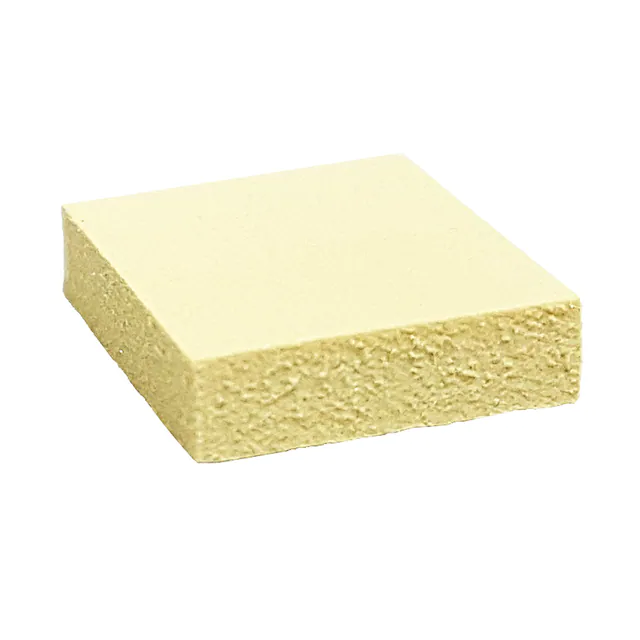
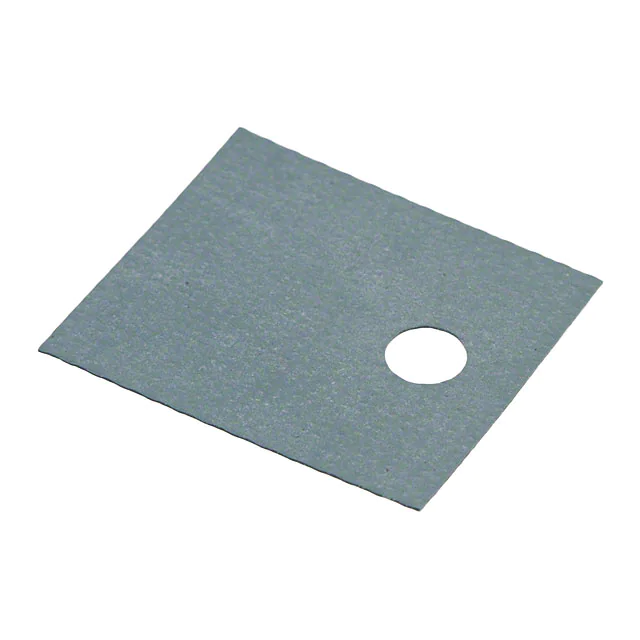
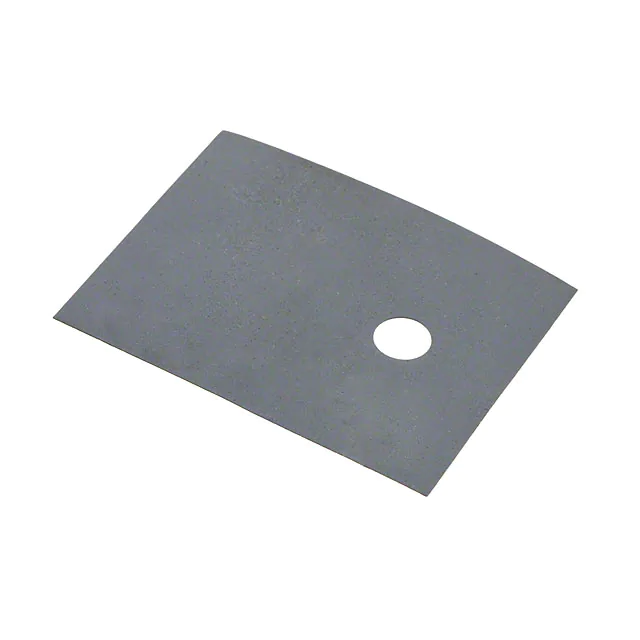
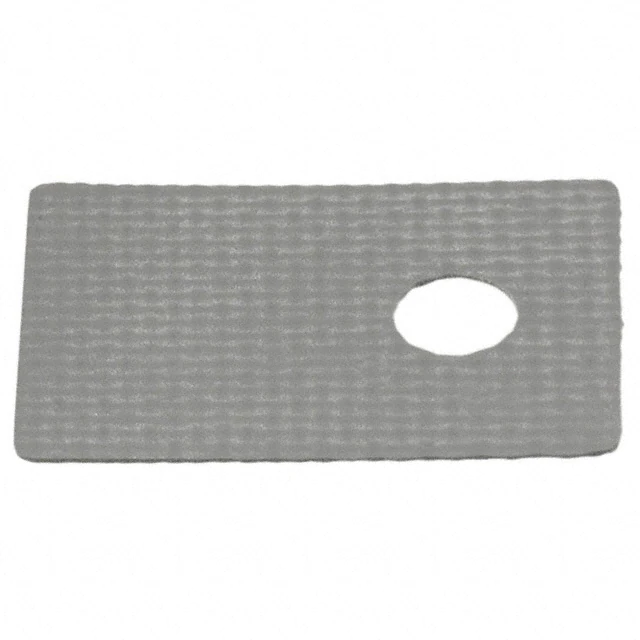
CR Technology Engineer's Cool Kit

- Part No.:
- Engineer's Cool Kit
- Manufacturer:
- CR Technology
- Category:
- Pads, Sheets
- Package:
- Datasheet:
-
 Engineer's Cool Kit.pdf
- Description:
- Assorted Thermal Materials
- Quantity:
- Payment:

- Shipping:

Inventory:3,273
Please send an inquiry. Send us your inquiry, and we will respond immediately.
Engineer's Cool Kit Specifications
- Product attributes
- Attribute value
- Manufacturer:
- CR Technology
- Series:
- -
- Packaging:
- Sheet
- Product Status:
- Active
- Usage:
- -
- Type:
- -
- Shape:
- -
- Outline:
- -
- Thickness:
- -
- Material:
- -
- Adhesive:
- -
- Backing, Carrier:
- -
- Color:
- -
- Thermal Resistivity:
- -
- Thermal Conductivity:
- -
Engineer's Cool Kit FAQ
1.How can I place an order for Engineer's Cool Kit through Aetrix?
Please submit a Request for Quotation (RFQ) for Engineer's Cool Kit on Aetrix. Our sales agent will provide a competitive quotation and guide you through the order confirmation once you accept the terms.
2.Are the price and stock information for Engineer's Cool Kit reliable?
The price and inventory of Engineer's Cool Kit are updated periodically and may fluctuate due to market conditions. Stock and pricing data are typically refreshed every 24 hours. Quotation validity for Engineer's Cool Kit is usually 5 days.
3.What payment methods are accepted for Engineer's Cool Kit?
We accept Wire Transfer, PayPal, Credit Card, Western Union, MoneyGram, and Escrow for Engineer's Cool Kit transactions.
Note: Certain payment methods may incur a processing fee.
4.How is shipping managed for Engineer's Cool Kit?
Engineer's Cool Kit orders can be shipped via leading logistics carriers, including DHL, UPS, FedEx, TNT, or Registered Mail.
Once your Engineer's Cool Kit order is processed, you will receive an email with the shipment details and tracking number.
Note: Tracking information may take up to 24 hours to appear. Express delivery typically takes 3–5 business days.
5.How can I obtain technical support or documentation for Engineer's Cool Kit?
For technical support, including Engineer's Cool Kit datasheets, pinout diagrams, or application guidance, please contact our engineering support team. They can provide detailed documentation and assistance for your Engineer's Cool Kit requirements.
6.How does Aetrix verify that Engineer's Cool Kit is sourced from the original manufacturer or authorized distributors?
All Engineer's Cool Kit products on Aetrix are procured from qualified distributors and authorized channels. Our dedicated quality assurance team conducts strict verification, including traceability checks and, if necessary, third-party testing. This ensures that Engineer's Cool Kit meets industry standards.
7.What is the process for return or replacement of Engineer's Cool Kit?
All Engineer's Cool Kit units undergo pre-shipment inspection (PSI). If there is an issue with Engineer's Cool Kit, returns or replacements are accepted under the following conditions:
1.Quantity discrepancies, incorrect items, or visible external defects (such as breakage or corrosion), acknowledged by Aetrix.
2.The issue is reported within 90 days of delivery.
3.The Engineer's Cool Kit part is unused and in its original packaging.
Return procedure for Engineer's Cool Kit:
1.Submit a request within 90 days.
2.Obtain a Return Material Authorization (RMA) from Aetrix.
Engineer's Cool Kit Tags
-
TG-A3500-10-10-3.0
t-Global Technology
-
SP600-90
Bergquist
-
SPK4-0.006-00-104
Bergquist
-
SP400-0.009-00-54
Bergquist
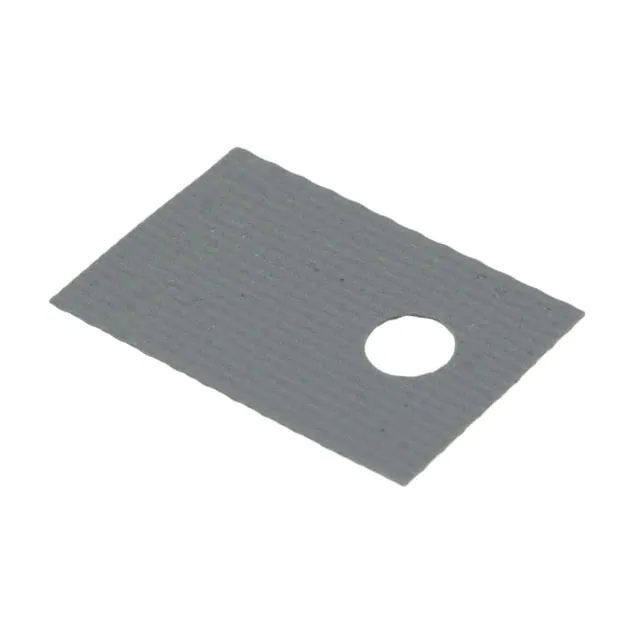
-
SP400-0.007-00-54
Bergquist
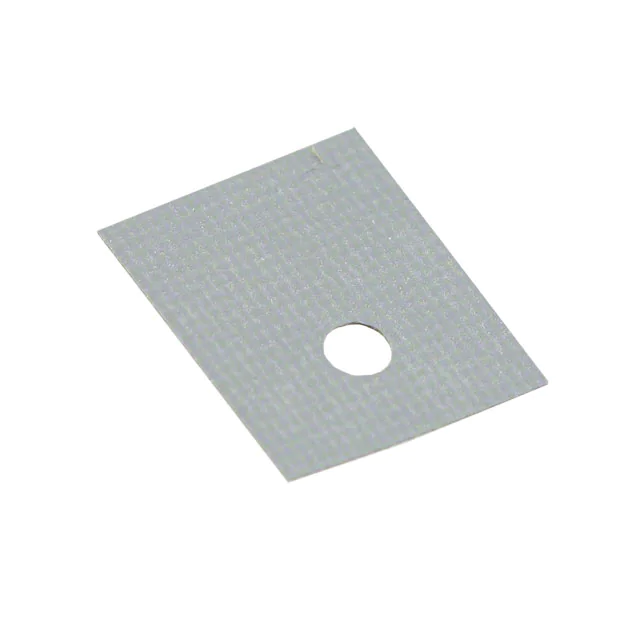
-
SP400-0.009-00-51
Bergquist
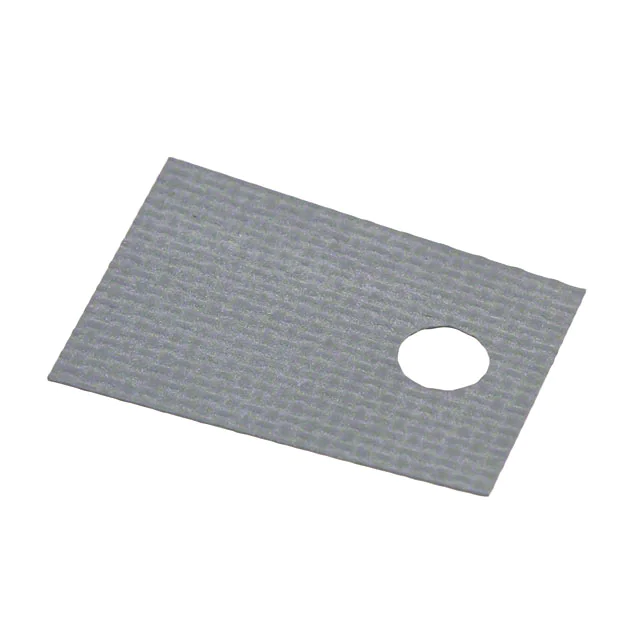
-
173-7-220P
Wakefield-Vette
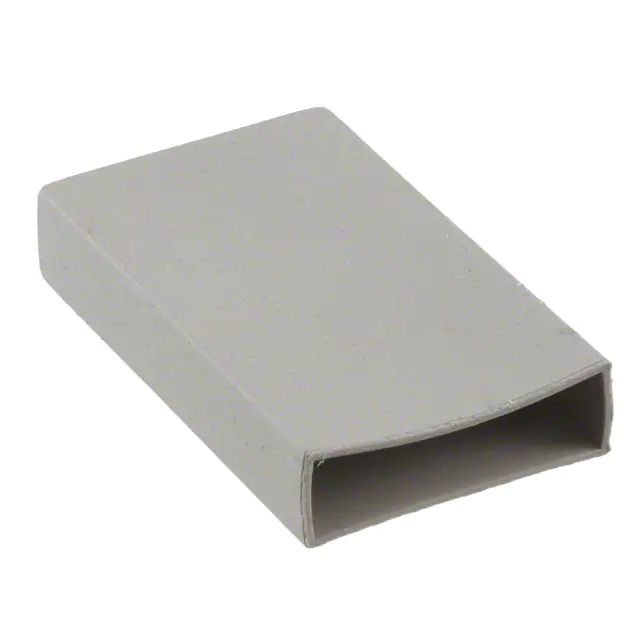
-
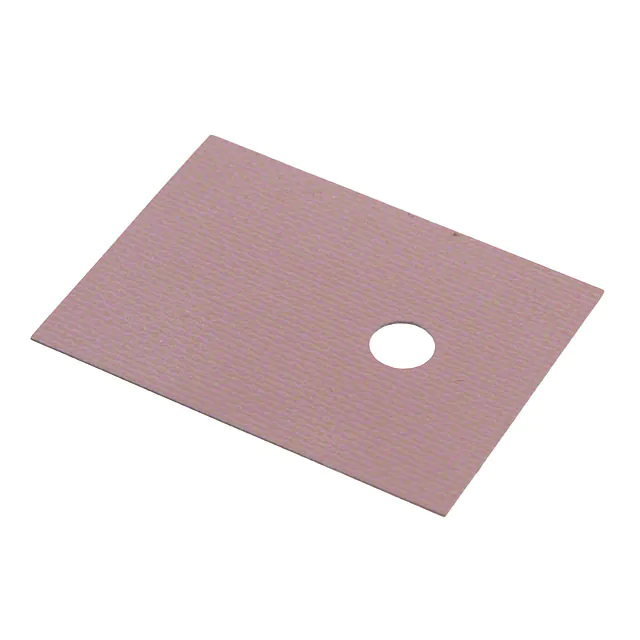
CP33-TO247-28.5-17.5-5.8-0.45
t-Global Technology
-
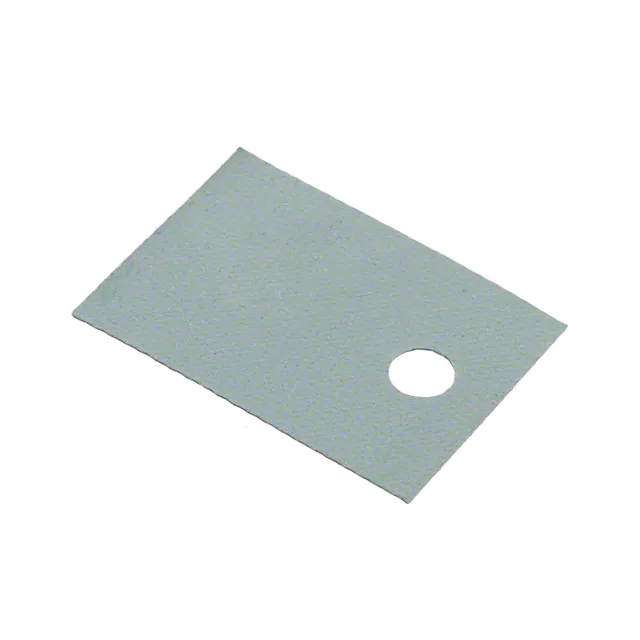
SP900S-0.009-00-104
Bergquist
-
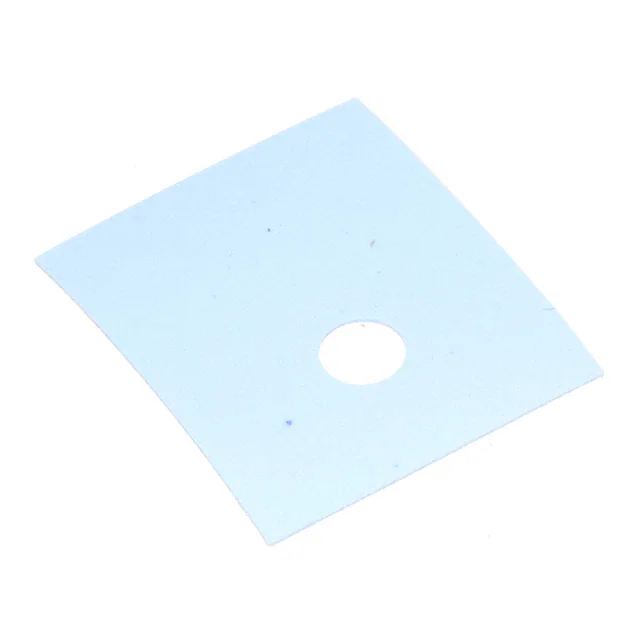
53-77-9G
Boyd Laconia, LLC
-
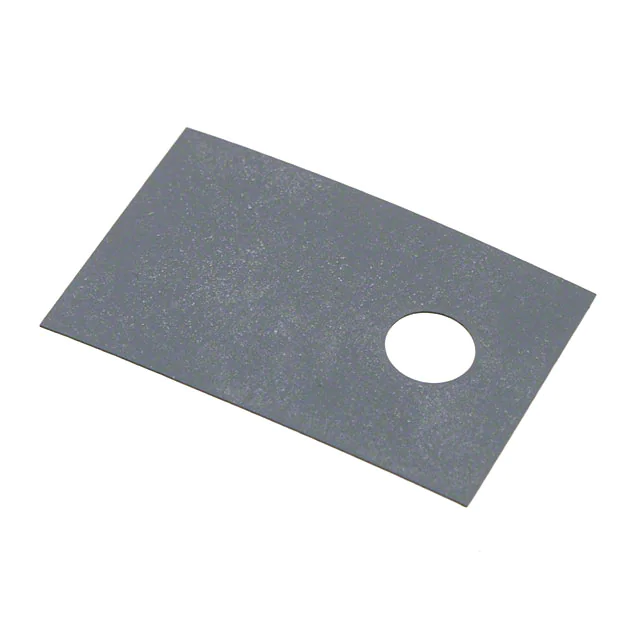
60-11-8302-1674
Parker Chomerics
-
175-6-240P
Wakefield-Vette
Tech Hub
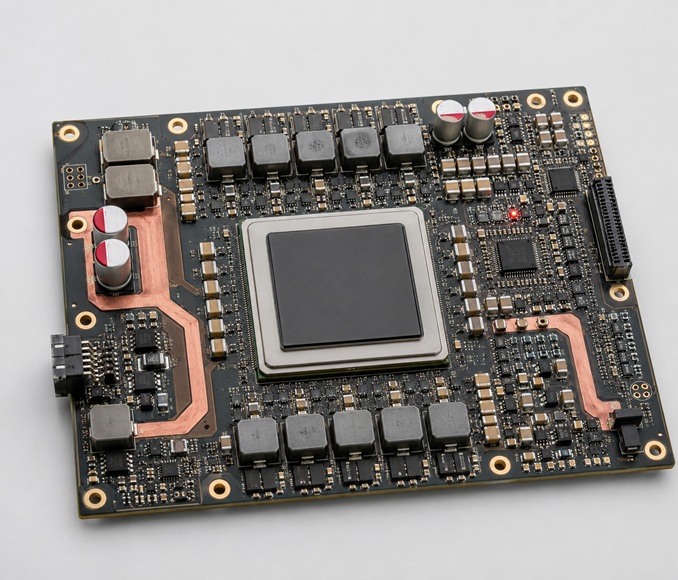
Engineering guide to high-current ASIC Vcore rails, covering 12-phase buck architecture, PMBus control, dynamic load testing, output capacitor networks, smart power stage selection, thermal design and …

Voltage regulator guide covering linear, LDO, 7805, Zener, adjustable, buck, VRM and alternator regulators, with design checks, testing methods, troubleshooting and datasheet-based selection.

Amplifier guide covering voltage, current and power amplification, gain, feedback, amplifier classes, audio and RF applications, op-amp circuits, transimpedance amplifiers, datasheet selection and trou…
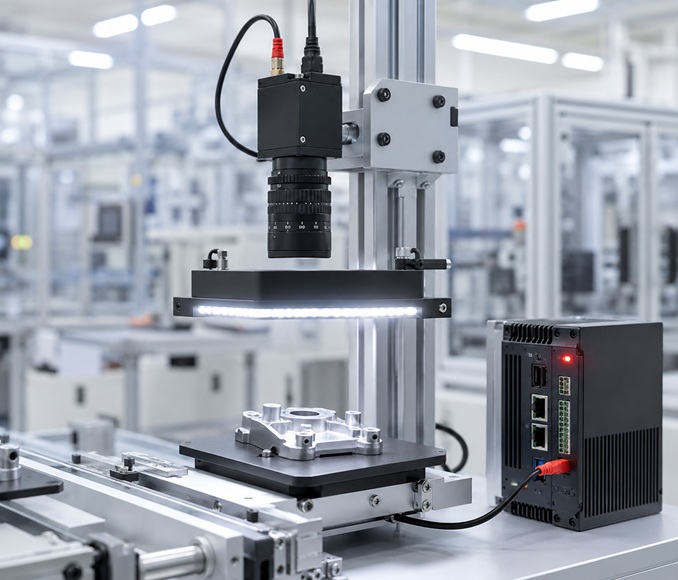
Machine vision system guide covering components, inspection workflow, camera and lens selection, FOV, pixel resolution, motion blur, strobe lighting, bandwidth, 2D/3D vision, integration, troubleshooti…
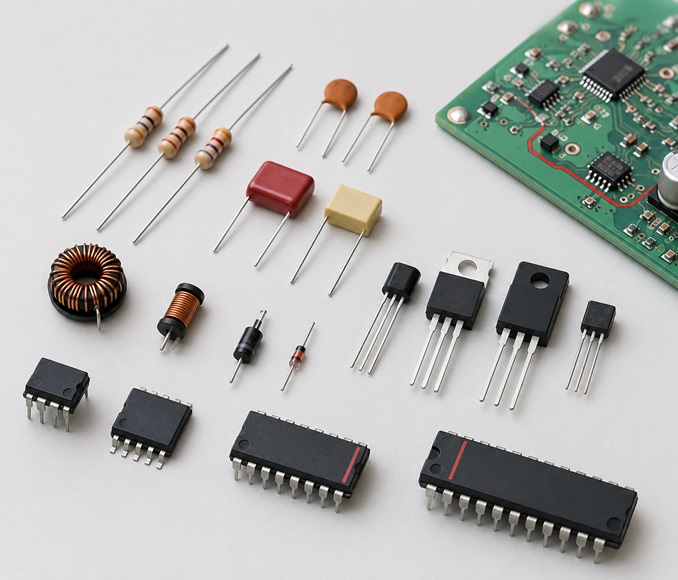
Electronic devices and circuits guide covering passive components, semiconductors, analog and digital circuits, circuit theory, practical calculations, troubleshooting, datasheet selection, and learnin…
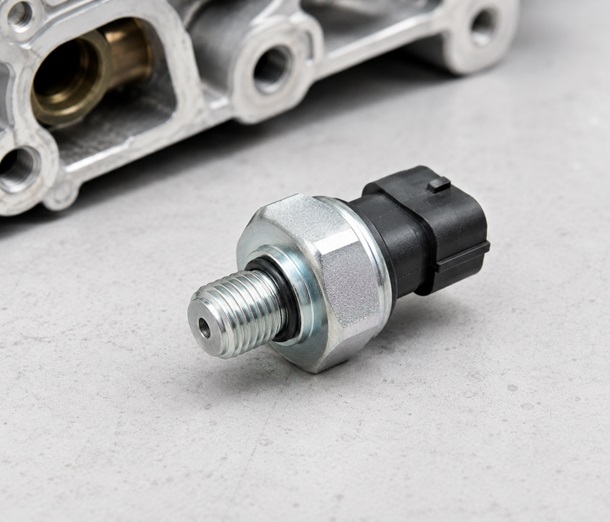
Oil pressure sensor diagnosis covering symptoms, location, testing, replacement, socket access, common failure cases, and the electronic signal path between the pressure sensor, wiring, ECU and gauge s…
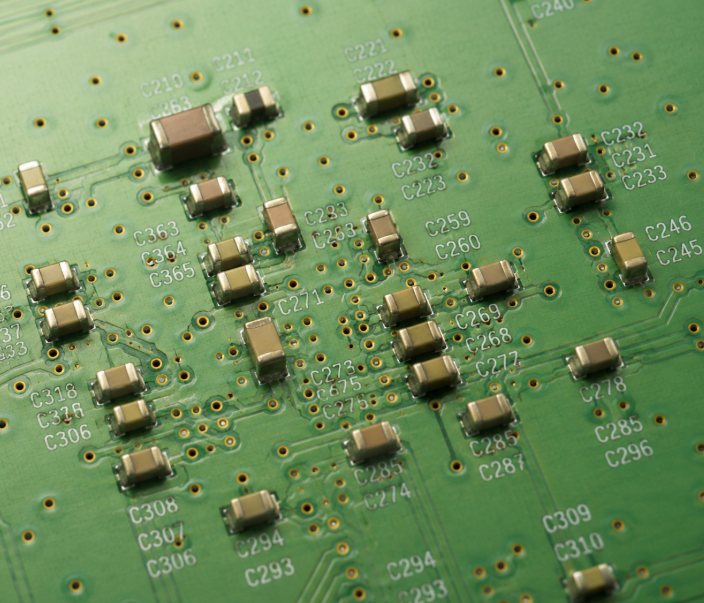
MLCC ESR, impedance and self-resonant frequency in decoupling networks. Covers PDN behavior, frequency response, measurement methods, failure cases and practical capacitor selection for power integrity…
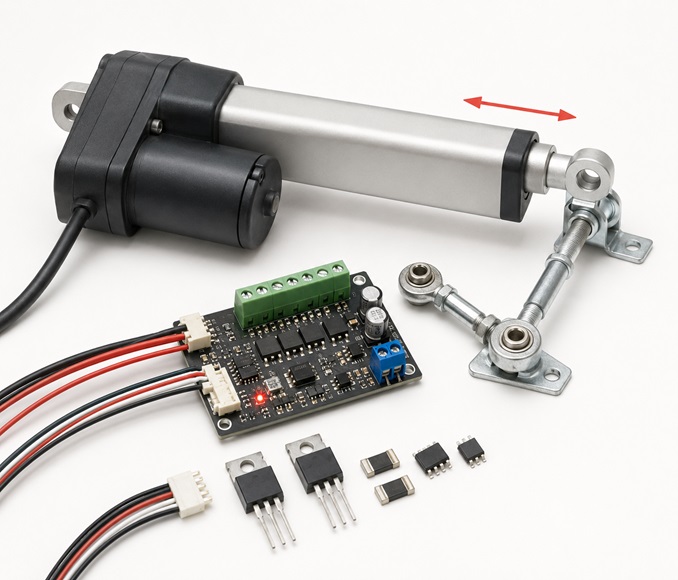
An actuator converts a control signal and energy source into mechanical motion. This guide explains actuator types, working principles, electric and linear actuators, automotive use cases, troubleshoot…
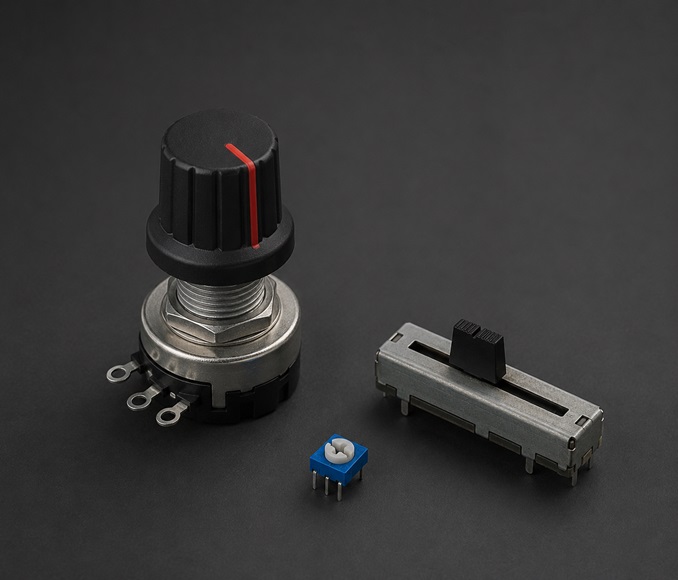
A potentiometer is a three-terminal adjustable resistor used for voltage division, analog control, calibration and signal adjustment. This guide explains wiring, symbols, types, 10k values, digital pot…
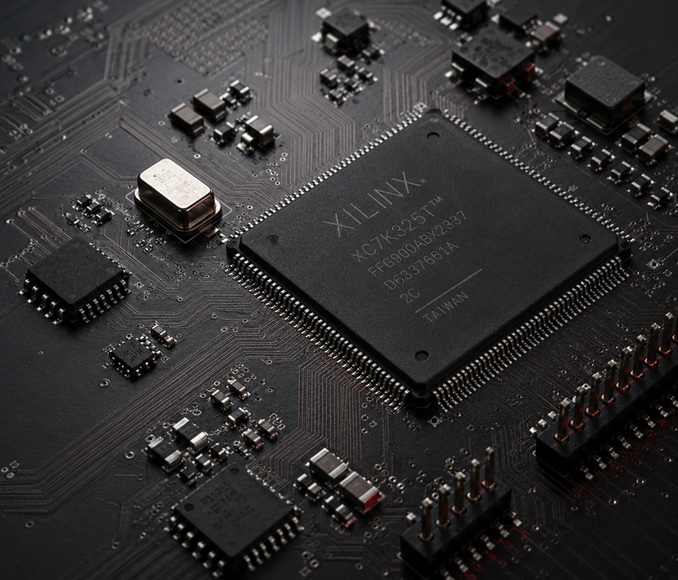
An FPGA is reconfigurable digital hardware used for custom logic, parallel processing, low-latency I/O and interface control. This guide explains FPGA meaning, architecture, boards, programming flow, a…


