
 My Inquiry
 My Account


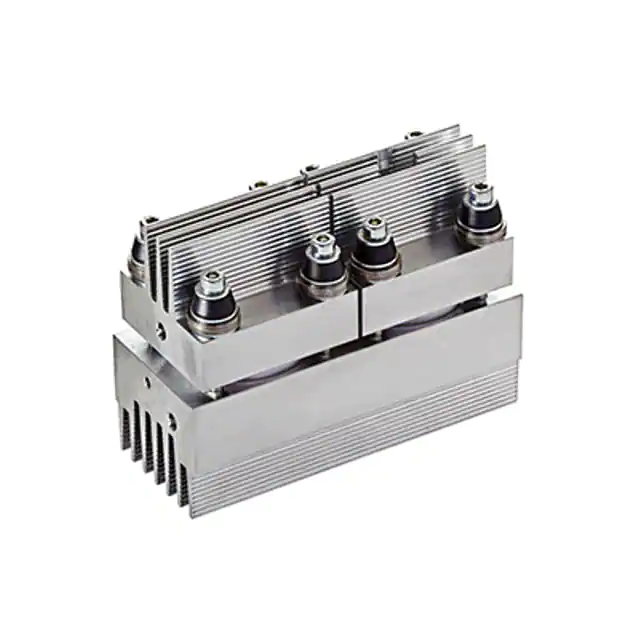
Infineon Technologies STT1900N16P55XPSA1
- Part No.:
- STT1900N16P55XPSA1
- Manufacturer:
- Infineon Technologies
- Category:
- SCRs - Modules
- Package:
- Module
- Datasheet:
-
 STT1900N16P55XPSA1.pdf
- Description:
- SCR MODULE POWERBLOCK PS55-1
- Quantity:
- Payment:

- Shipping:

Inventory:3,903
Please send an inquiry. Send us your inquiry, and we will respond immediately.
Product details
Overview
STT1900N16P55XPSA1 from Infineon Technologies is a pressure-contact soft starter module integrating two anti-parallel thyristor arms in a single housing, rated for 1600 V repetitive blocking voltage (VDRM/VRRM), 1900 A 21-second overload current, and 17,000 A non-repetitive surge current (ITSM). It features an integrated optimized heatsink and Advanced Medium Power Technology (AMPT) for industrial motor soft-starting applications.
For engineers reviewing the STT1900N16P55XPSA1 datasheet, STT1900N16P55XPSA1 pinout, STT1900N16P55XPSA1 application, or STT1900N16P55XPSA1 equivalent, key selection criteria include its 0.28 mΩ slope resistance (rT), 0.9 V threshold voltage (VT0), 0.084 K/W junction-to-ambient thermal resistance (RthJA), gate trigger current ≤200 mA, and 125 °C maximum junction temperature.
Technical Context
This module implements a dual-arm, anti-parallel thyristor configuration with pressure-contact die attachment for high-current commutation reliability. Its design supports line-frequency (50/60 Hz) phase-controlled conduction with critical di/dt rating of 250 A/µs and dv/dt capability of 1000 V/µs under full blocking conditions.
Thermal performance is defined by transient junction-to-reference (RthJR) and junction-to-ambient (RthJA) impedances, both specified for 21 s overload duty cycle. The integrated heatsink enables direct mounting to system cold plates, with mechanical terminals rated for M6 torque (10 Nm ±10%) and creepage distance of 6.3 mm.
Key Specifications
| Parameter | Value and Actual Design Meaning |
|---|---|
| VDRM / VRRM | 1600 V - Maximum repetitive forward/reverse blocking voltage at junction temp up to 125 °C |
| Ioverload(21s) | 1900 A - Sustained RMS current capability for 21 s without exceeding 155 °C junction limit after start |
| ITSM | 17000 A - Non-repetitive surge current (10 ms, sine half-cycle) at 25 °C initial junction temp |
| VT0 | 0.9 V - Threshold voltage defining turn-on onset; used with rT = 0.28 mΩ to calculate on-state drop |
| RthJA(21s) | 0.084 K/W - Junction-to-ambient thermal resistance under DC or 180° conduction angle, enabling thermal modeling |
| (diT/dt)cr | 250 A/µs - Minimum required rate of rise of on-state current to ensure reliable turn-on without false triggering |
| (dvD/dt)cr | 1000 V/µs - Maximum allowable rate of rise of off-state voltage before spurious turn-on occurs |
Pinout & Package
STT1900N16P55XPSA1 uses a pressure-contact, double-sided cooled module package with isolated copper baseplate. Electrical terminals are M6 screw connections for main power (anode/cathode per arm); control terminals conform to DIN 46244 A (2.8 × 0.8 mm flat blade).
| Pin/Terminal | Circuit Role | Design Meaning |
|---|---|---|
| Main Terminal 1 (M6) | Anode of Arm 1 | High-current input for first thyristor arm; rated for 1900 A RMS continuous operation |
| Main Terminal 2 (M6) | Cathode of Arm 1 / Anode of Arm 2 | Common AC line node; electrically ties both arms in anti-parallel configuration |
| Main Terminal 3 (M6) | Cathode of Arm 2 | High-current output for second thyristor arm; completes bidirectional AC conduction path |
| Control Terminal G1 | Gate of Arm 1 | Isolated low-energy trigger input (≤200 mA, ≤2 V); requires precise timing for phase-angle control |
| Control Terminal K1 | Cathode reference for Arm 1 | Local return path for gate drive; galvanically separated from power cathode for noise immunity |
| Control Terminal G2 | Gate of Arm 2 | Independent gate input for second arm; enables synchronized or complementary firing control |
| Control Terminal K2 | Cathode reference for Arm 2 | Dedicated gate return for Arm 2; prevents cross-talk between gate drive circuits |
Key Features
| Feature | Design Value |
|---|---|
| Pressure contact technology | Eliminates wire bonds and solder layers, reducing thermal resistance and enhancing long-term current-cycling reliability |
| Integrated optimized heatsink | Enables direct cold-plate mounting with 0.084 K/W RthJA(21s); reduces need for external forced-air cooling |
| Advanced Medium Power Technology (AMPT) | Optimized silicon layout and emitter geometry for balanced di/dt and dv/dt robustness at 1600 V class |
| Anti-parallel dual-arm architecture | Provides full-wave AC phase control in one module; eliminates discrete assembly complexity and parasitic mismatch |
| Mechanical terminal compliance | M6 power terminals with 10 Nm torque spec and DIN 46244 A control blades ensure repeatable, low-resistance interconnects |
Applications
| Motor Soft Starter | Bypass Switch |
|---|---|
Use Scenario: Controlled ramp-up of induction motor voltage during startup to limit inrush current and mechanical stress. IC Role / Device Role / Timing Role: Dual-arm thyristor module performing phase-angle controlled AC voltage reduction for 3–10 s duration. Use Value: Enables smooth acceleration without contactor wear or supply voltage dips; leverages 1900 A overload rating for motor locked-rotor current handling. | Use Scenario: Bypassing thyristors after motor reaches full speed to eliminate conduction losses and heat generation. IC Role / Device Role / Timing Role: Bidirectional AC switch operating in fully on/off mode post-startup, coordinated with parallel contactor or solid-state relay. Use Value: Reduces steady-state power loss to <0.5 W per arm using low rT (0.28 mΩ) and VT0 (0.9 V), improving system efficiency. |
| Static Power Controller | Industrial Heating Control |
Use Scenario: Precise regulation of resistive load power in industrial ovens, furnaces, or drying systems via phase-angle control. IC Role / Device Role / Timing Role: High-power AC switching element delivering variable RMS voltage to heating elements across 0–100% range. Use Value: Supports 1600 V blocking and 250 A/µs di/dt for stable operation with inductive/resistive loads; thermal design accommodates cyclic duty. | Use Scenario: Closed-loop temperature control in high-wattage radiant or immersion heaters using zero-cross or phase-control schemes. IC Role / Device Role / Timing Role: Thyristor-based power stage modulating AC energy delivery based on PID controller output signals. Use Value: Integrated heatsink and 0.084 K/W RthJA allow compact mounting in space-constrained enclosures while maintaining 125 °C max junction temp. |
Equivalent & Alternatives
The following parts are listed as comparable options for similar soft starter module applications.
| Alternative Part | Technical Difference | Application Difference | Selection Advice |
|---|---|---|---|
| STT1600N16P55XPSA1 | Lower 1600 A overload rating (vs. 1900 A); identical VDRM, rT, and thermal specs | Suitable for smaller motors or shorter startup durations where peak current demand is reduced | Select when system I²t requirements fall below 1.45×10⁶ A²s and thermal margin allows lower overload headroom |
| STT2200N16P55XPSA1 | Higher 2200 A overload rating; same VDRM, slightly improved RthJA (0.078 K/W) | Required for larger motors or extended startup profiles exceeding 1900 A/21 s capability | Choose when application demands >1900 A overload capacity or tighter thermal budget under continuous modulation |
Compared with STT1900N16P55XPSA1, the STT1600N16P55XPSA1 offers cost and size reduction at the expense of 16% lower overload headroom, while the STT2200N16P55XPSA1 extends safe operating area for higher inertia loads-both retain identical gate drive compatibility and mechanical footprint.
Availability
STT1900N16P55XPSA1 is available at Aetrix Electronics and suitable for motor soft starters, bypass switches, static power controllers, and industrial heating systems requiring stable component supply and long-term production continuity.
Supply support for STT1900N16P55XPSA1 includes scheduled delivery planning, volume procurement assistance, BOM continuity management, traceable sourcing, and lifecycle availability coordination for OEM customers, industrial embedded developers, connected-device designers, and electronics production programs.
Manufacturer
Infineon Technologies is a German semiconductor manufacturer specializing in power semiconductors, microcontrollers, and sensor solutions for industrial, automotive, and energy markets.
This part belongs to Infineon's Soft Starter Module product line, engineered specifically for high-reliability, medium-power AC motor control and industrial power switching applications using pressure-contact thyristor technology.
FAQ
What is the maximum allowable gate trigger voltage for STT1900N16P55XPSA1?
The maximum gate trigger voltage (VGT) is 2 V at Tvj = 25°C, vD = 12 V, and iGM = 1 A. Exceeding this value risks gate oxide damage or premature aging. Gate drive circuits must limit peak voltage to ≤2 V with fast fall time (<1 µs) to avoid overstress during turn-off transitions.
Can STT1900N16P55XPSA1 be used in single-phase applications?
Yes-it is designed for single-phase AC line control with anti-parallel thyristor arms enabling full-wave conduction. Its 1600 V VDRM rating supports 1000 VAC systems (e.g., 690 VAC + safety margin), and the 1900 A overload rating covers typical single-phase motor inrush profiles up to 15 kW.
What is the recommended heatsink mounting torque for this module?
The module uses M6 screw terminals for main power connections, not heatsink mounting. For cold-plate interface, Infineon specifies uniform clamping force across the baseplate surface-no torque value applies. Mechanical mounting relies on external frame pressure (≥0.5 MPa) and thermal interface material (TIM) with ≤0.1 mm thickness and ≤0.2 K·cm²/W resistance.
Does STT1900N16P55XPSA1 require snubber circuits?
Snubbers are recommended for inductive loads with high stored energy (e.g., large motors or transformers) due to its 1000 V/µs dv/dt rating. A RC snubber (e.g., 100 Ω + 0.1 µF) across each arm limits voltage overshoot during commutation, preventing false turn-on. Resistive loads typically do not require snubbers.
STT1900N16P55XPSA1 Specifications
- Product attributes
- Attribute value
- Manufacturer:
- Infineon Technologies
- Series:
- -
- Package/Case:
- Module
- Packaging:
- Tray
- Product Status:
- Discontinued at Digi-Key
- Structure:
- 1-Phase Controller - All SCRs
- Number of SCRs, Diodes:
- 2 SCRs
- Voltage - Off State:
- 1.6 kV
- Current - On State (It (AV)) (Max):
- -
- Current - On State (It (RMS)) (Max):
- -
- Voltage - Gate Trigger (Vgt) (Max):
- 2 V
- Current - Gate Trigger (Igt) (Max):
- 200 mA
- Current - Non Rep. Surge 50, 60Hz (Itsm):
- 17000A @ 50Hz
- Current - Hold (Ih) (Max):
- 300 mA
- Operating Temperature:
- 125°C (TJ)
- Grade:
- -
- Qualification:
- -
- Mounting Type:
- Chassis Mount
STT1900N16P55XPSA1 FAQ
1.How can I place an order for STT1900N16P55XPSA1 through Aetrix?
Please submit a Request for Quotation (RFQ) for STT1900N16P55XPSA1 on Aetrix. Our sales agent will provide a competitive quotation and guide you through the order confirmation once you accept the terms.
2.Are the price and stock information for STT1900N16P55XPSA1 reliable?
The price and inventory of STT1900N16P55XPSA1 are updated periodically and may fluctuate due to market conditions. Stock and pricing data are typically refreshed every 24 hours. Quotation validity for STT1900N16P55XPSA1 is usually 5 days.
3.What payment methods are accepted for STT1900N16P55XPSA1?
We accept Wire Transfer, PayPal, Credit Card, Western Union, MoneyGram, and Escrow for STT1900N16P55XPSA1 transactions.
Note: Certain payment methods may incur a processing fee.
4.How is shipping managed for STT1900N16P55XPSA1?
STT1900N16P55XPSA1 orders can be shipped via leading logistics carriers, including DHL, UPS, FedEx, TNT, or Registered Mail.
Once your STT1900N16P55XPSA1 order is processed, you will receive an email with the shipment details and tracking number.
Note: Tracking information may take up to 24 hours to appear. Express delivery typically takes 3–5 business days.
5.How can I obtain technical support or documentation for STT1900N16P55XPSA1?
For technical support, including STT1900N16P55XPSA1 datasheets, pinout diagrams, or application guidance, please contact our engineering support team. They can provide detailed documentation and assistance for your STT1900N16P55XPSA1 requirements.
6.How does Aetrix verify that STT1900N16P55XPSA1 is sourced from the original manufacturer or authorized distributors?
All STT1900N16P55XPSA1 products on Aetrix are procured from qualified distributors and authorized channels. Our dedicated quality assurance team conducts strict verification, including traceability checks and, if necessary, third-party testing. This ensures that STT1900N16P55XPSA1 meets industry standards.
7.What is the process for return or replacement of STT1900N16P55XPSA1?
All STT1900N16P55XPSA1 units undergo pre-shipment inspection (PSI). If there is an issue with STT1900N16P55XPSA1, returns or replacements are accepted under the following conditions:
1.Quantity discrepancies, incorrect items, or visible external defects (such as breakage or corrosion), acknowledged by Aetrix.
2.The issue is reported within 90 days of delivery.
3.The STT1900N16P55XPSA1 part is unused and in its original packaging.
Return procedure for STT1900N16P55XPSA1:
1.Submit a request within 90 days.
2.Obtain a Return Material Authorization (RMA) from Aetrix.
STT1900N16P55XPSA1 Tags
-
MCC95-16IO1B
IXYS
-
TT190N16SOFHPSA2
Infineon Technologies
-
MCC162-16IO1
IXYS
-
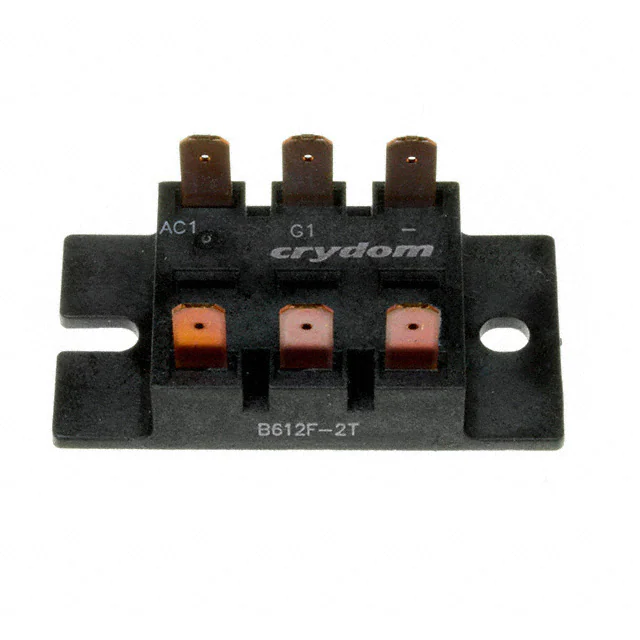
B612F-2T
Sensata-Crydom
-
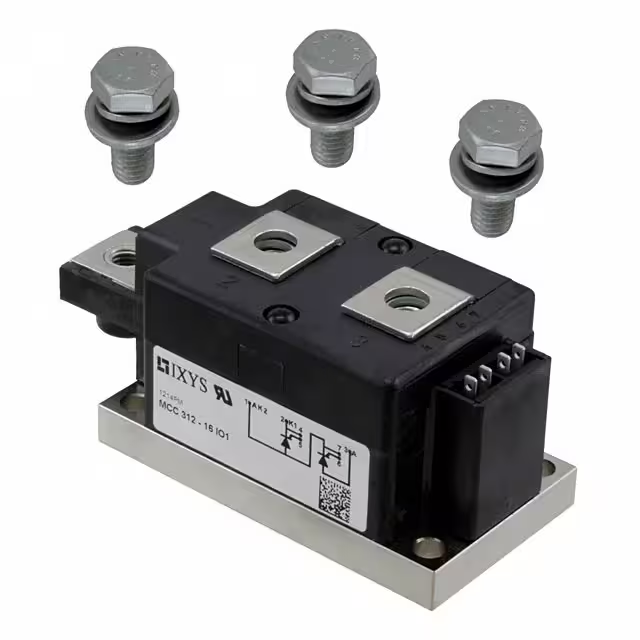
MCC312-16IO1
IXYS
-
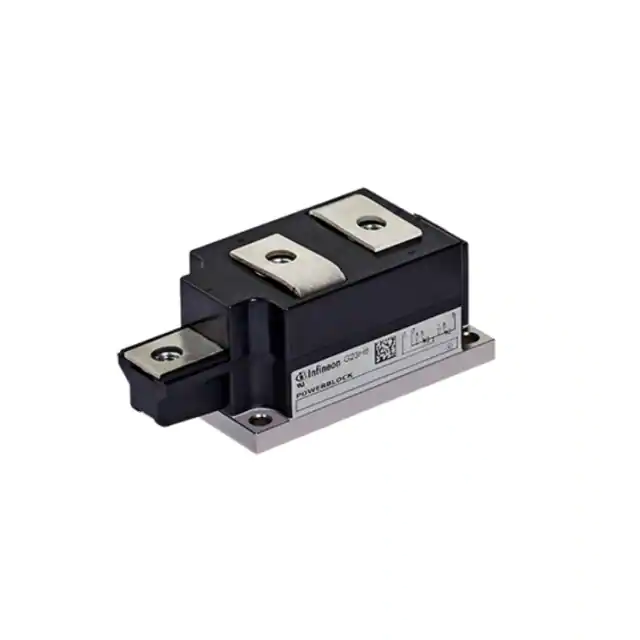
TT250N16KOFHPSA1
Infineon Technologies
-
CLA60PD1200NA
IXYS
-
MCC56-16IO1B
IXYS
-
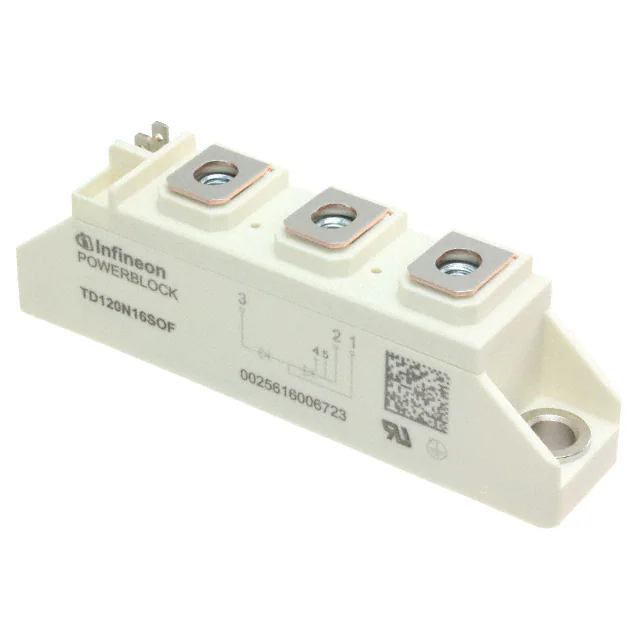
TD120N16SOFHPSA1
Infineon Technologies
-
MCC95-12IO1B
IXYS
-
MCMA140P1600TA
IXYS
-
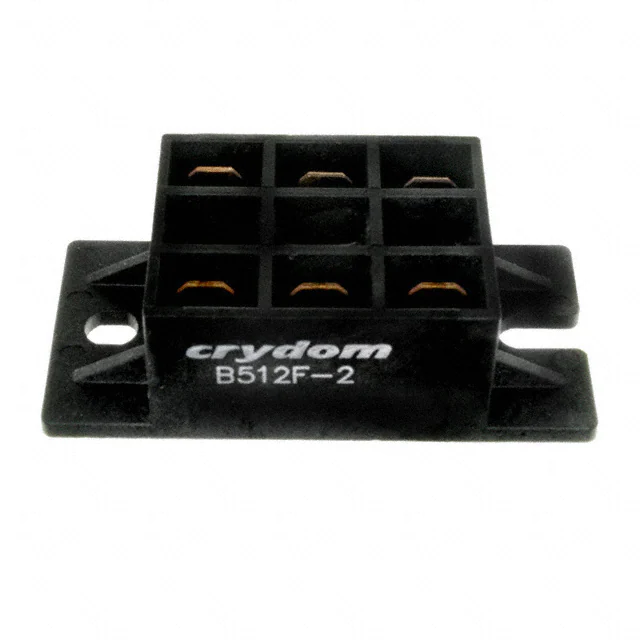
B512F-2
Sensata-Crydom
Tech Hub

18650 battery guide covering lithium-ion cell basics, 3.6V/3.7V voltage, 4.2V charging, mAh and Wh capacity, protected cells, chargers, BMS, series-parallel packs, holders, welding and sourcing checks.…

Hall effect sensor guide covering working principle, linear and digital sensors, Arduino circuits, current sensing, speed detection, automotive applications, A3144 examples, signal filtering and datash…

Product Change Notification guide for electronic components, covering PCN meaning, PCN vs PDN/EOL, common change types, risk levels, form-fit-function review, engineering validation, BOM control, LTB/L…

A practical guide to blend door actuators, covering HVAC function, symptoms, location, AC and heater issues, reset and calibration, replacement cost, electrical diagnosis, compatibility checks, and rep…

Engineering guide to Raspberry Pi alternatives, covering chip-level differences, Orange Pi, ROCK, Jetson, Banana Pi, NanoPi, Compute Module, Pico, GPIO, camera, HAT compatibility, and replacement risks…
Engineering guide to dynamic load response testing for high-current buck converters, covering load step setup, slew rate, Vcore undershoot, overshoot, recovery time, probe location, output capacitors a…

Engineering guide to output capacitor selection for ASIC Vcore rails, covering bulk capacitors, polymer capacitors, MLCC decoupling, DC bias, ESR, ESL, placement, transient response and substitution ri…
Engineering guide to high-current ASIC Vcore rails, covering 12-phase buck architecture, PMBus control, dynamic load testing, output capacitor networks, smart power stage selection, thermal design and …
Voltage regulator guide covering linear, LDO, 7805, Zener, adjustable, buck, VRM and alternator regulators, with design checks, testing methods, troubleshooting and datasheet-based selection.
Amplifier guide covering voltage, current and power amplification, gain, feedback, amplifier classes, audio and RF applications, op-amp circuits, transimpedance amplifiers, datasheet selection and trou…


