
 My Inquiry
 My Account


Infineon Technologies TLE4470GS
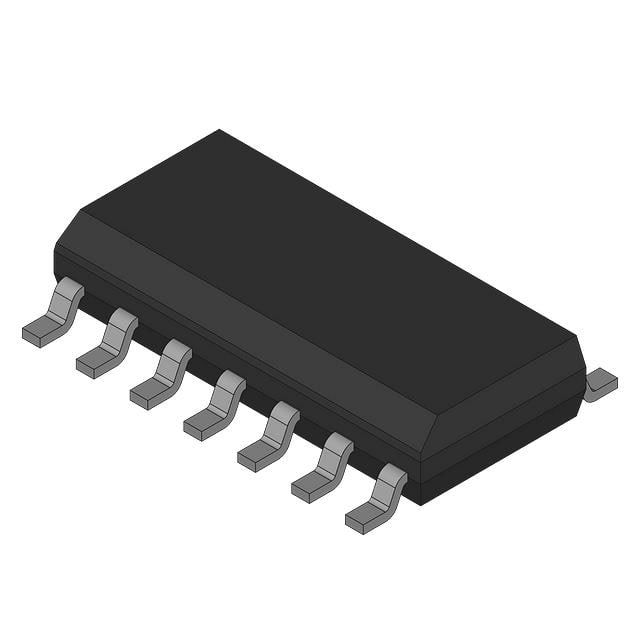
- Part No.:
- TLE4470GS
- Manufacturer:
- Infineon Technologies
- Package:
- 14-SOIC (0.154", 3.90mm Width)
- Datasheet:
-
 TLE4470GS.pdf
- Description:
- IC REG LINEAR FIXED POS LDO REG
- Quantity:
- Payment:

- Shipping:

Inventory:366
Please send an inquiry. Send us your inquiry, and we will respond immediately.
Product details
Overview
TLE4470GS from Infineon Technologies is a dual low-dropout voltage regulator IC for automotive microprocessor power supply, featuring a fixed 5 V ±2% standby output (Q1, 180 mA), a tracked 5 V main output (Q2, 350 mA), wide 5.6–45 V input range, and integrated Power-On-Reset with adjustable delay. It operates from −40 °C to 150 °C and is housed in PG-DSO-14 package.
For engineers reviewing the TLE4470GS datasheet, TLE4470GS pinout, TLE4470GS application, or TLE4470GS equivalent, key selection considerations include its fixed-output dual-regulator architecture, disable-controlled main output, reset threshold fixed at internal 4.65 V (non-adjustable in GS variant), and AEC-Q100 qualification for under-hood automotive use.
Technical Context
The TLE4470GS implements two independent LDO regulators on a single monolithic die: Q1 delivers a precision 5 V ±2% standby rail, while Q2 tracks Q1's voltage precisely (no external ADJ2 required) to deliver a matched 5 V main rail. Both outputs share a common input (pin 13) and operate across −40 °C to 150 °C junction temperature.
It integrates safety-critical functions including open-collector RQ/SQ outputs, disable-controlled main regulator shutdown (reducing quiescent current to 180 µA), early-warning undervoltage sensing (SI input), and overtemperature/short-circuit/overload protection - all designed for ISO 16750-compliant automotive electrical environments.
Key Specifications
| Parameter | Value and Actual Design Meaning |
|---|---|
| Standby Output Voltage | 5 V ±2% - provides stable MCU core logic supply with tight tolerance for reset integrity |
| Main Output Current | 350 mA - supports high-current peripherals (CAN transceivers, sensors) without external boost |
| Input Voltage Range | 5.6 V to 45 V - accommodates cold-crank (6.5 V) and load-dump (40 V) transients per ISO 16750-2 |
| Quiescent Current (Standby) | 180 µA - enables ultra-low-power sleep mode in body control modules |
| Junction Temperature Range | −40 °C to +150 °C - qualified for engine compartment placement without derating |
| Reset Delay Adjustment | Capacitor-based (pin D) - sets POR delay from 1 ms to >1 s via external CD, enabling timing alignment with MCU boot sequence |
| ESD Robustness | ±2 kV HBM - meets MIL-STD-883 requirement for handling and board assembly reliability |
Pinout & Package
Package: PG-DSO-14 (14-pin plastic dual small outline, exposed thermal pad, RoHS-compliant).
| Pin/Terminal | Circuit Role | Design Meaning |
|---|---|---|
| 1 D | Reset delay capacitor terminal | Connects external CD to GND; sets POR delay time (1 ms–1 s); no internal pull-up/pull-down |
| 2 DIS | Main regulator disable input | High-active TTL/CMOS-compatible signal; disables Q2 output and reduces IQ to 180 µA |
| 3–5, 10–12 GND | Ground reference terminals | Multiple low-inductance GND pins minimize ground bounce and improve PSRR under transient load |
| 6 RQ | Open-collector reset output | Pulled low when VQ1 < 4.65 V or during POR; internal 30 kΩ pull-up to Q1 enables direct MCU reset connection |
| 7 SQ | Open-collector sense output | Asserts low on supply undervoltage warning (VI < threshold); same 30 kΩ pull-up as RQ |
| 8 Q1 | Standby regulated output | 5 V ±2%, 180 mA max; requires ≥6 µF/ESR <10 Ω ceramic capacitor for stability |
| 9 Q2 | Main regulated output | Fixed 5 V tracking Q1; 350 mA max; requires ≥10 µF/ESR <10 Ω ceramic capacitor |
| 13 I | Common input voltage terminal | Supplies both regulators; must be decoupled with ceramic cap directly at pin |
| 14 SI | Sense comparator input | Monitors VI for early undervoltage detection; threshold set internally at ~4.3 V |
Key Features
| Feature | Design Value |
|---|---|
| Dual tracked 5 V outputs | Q2 voltage tightly follows Q1 (±0.1 V tracking error), eliminating need for separate feedback networks in dual-rail systems |
| Disable-controlled main regulator | DIS pin enables zero-load shutdown of Q2 while maintaining Q1 active - critical for low-power wake-on-LIN/CAN |
| Integrated POR with adjustable delay | RQ output stays low until VQ1 exceeds 4.65 V and remains low for user-defined time (via CD), ensuring deterministic MCU startup |
| Early-warning undervoltage detection | SQ asserts before RQ, providing 50–100 ms advance notice of supply collapse - allows graceful firmware shutdown |
| AEC-Q100 Grade 0 qualification | Validated for operation up to +150 °C junction temperature - suitable for direct mounting near ECUs or power stages |
Applications
| Body Control Module (BCM) | Engine Control Unit (ECU) Auxiliary Rail |
|---|---|
Use Scenario: Centralized power management for door locks, lighting, and window lift controllers in 12 V vehicle architectures. IC Role / Device Role / Timing Role: Dual-rail regulator supplying 5 V to MCU and CAN transceiver simultaneously, with DIS enabling sleep-mode current reduction. Use Value: Eliminates discrete LDOs and external reset ICs, reducing BOM count by ≥3 components and PCB area by 25 mm². | Use Scenario: Secondary 5 V rail generation for sensor signal conditioning and ADC reference in high-temperature engine compartments. IC Role / Device Role / Timing Role: High-temp-stable dual LDO delivering tracked 5 V rails with integrated POR and thermal shutdown. Use Value: Maintains regulation down to −40 °C cold start and up to +150 °C under hood, avoiding brownout resets during transient thermal stress. |
| Advanced Driver Assistance Systems (ADAS) Camera ECU | Automotive Gateway Module |
Use Scenario: Powering image signal processor (ISP) and serializer in rear-view camera modules with strict EMI and thermal constraints. IC Role / Device Role / Timing Role: Low-noise dual LDO with fast transient response and integrated RQ/SQ for fault reporting to host MCU. Use Value: Achieves <10 mVpp output ripple at 350 mA load, meeting CISPR 25 Class 5 conducted emission limits without added ferrite beads. | Use Scenario: Providing isolated 5 V supplies for multiple communication interfaces (CAN FD, LIN, Ethernet PHY) in domain controller gateways. IC Role / Device Role / Timing Role: Dual-output regulator with disable-controlled Q2 enabling selective interface power gating during sleep. Use Value: Reduces gateway standby power by 42% vs. discrete solutions, extending battery life in parked vehicle scenarios. |
Equivalent & Alternatives
The following parts are listed as comparable options for similar dual-output automotive LDO applications.
| Alternative Part | Technical Difference | Application Difference | Selection Advice |
|---|---|---|---|
| TLV70733PDPWR (TI) | Single 3.3 V output, 300 mA, no reset/POR, no disable, SOT-23-5 package | Lacks dual-rail capability, reset signaling, and automotive temp grade (only −40 °C to +125 °C) | Only suitable for non-safety-critical, single-rail, non-automotive applications with lower thermal demands |
| MAX16910ATP+T (Maxim) | Dual-output (5 V/3.3 V), 250 mA/150 mA, integrated watchdog, but no adjustable reset delay or SI early-warning comparator | No early undervoltage warning; fixed 200 ms POR delay; not AEC-Q100 qualified | Acceptable for infotainment subsystems where extended thermal range and predictive fault signaling are not required |
Compared with TLV70733PDPWR and MAX16910ATP+T, the TLE4470GS uniquely combines AEC-Q100 Grade 0 qualification, dual-tracked 5 V outputs, disable-controlled power gating, and dual-stage undervoltage monitoring - making it the only option qualified for safety-critical engine bay and BCM applications requiring deterministic reset behavior.
Availability
TLE4470GS is available at Aetrix Electronics and suitable for automotive body electronics, engine control units, and ADAS camera modules requiring stable component supply across extended temperature and voltage transients.
Supply support for TLE4470GS includes scheduled delivery planning, volume procurement assistance, BOM continuity management, traceable sourcing, and lifecycle availability coordination for OEM customers, industrial embedded developers, connected-device designers, and electronics production programs.
Manufacturer
Infineon Technologies is a German semiconductor manufacturer specializing in power management, automotive, and industrial control ICs, with global manufacturing and AEC-Q100 validation infrastructure.
The TLE4470GS belongs to Infineon's TLE automotive power system IC family, engineered specifically for robust dual-rail microprocessor power delivery in harsh automotive environments - emphasizing thermal resilience, functional safety, and integration of supervision features.
FAQ
What is the function of the SI pin on the TLE4470GS?
The SI (Sense Input) pin monitors the input voltage (VI) for early undervoltage detection. When VI drops below an internal threshold (~4.3 V), the SQ output asserts low before the RQ reset signal activates, providing advance warning to the MCU for controlled shutdown. It does not require external biasing and is internally referenced.
Can the main output voltage be adjusted on the TLE4470GS?
No. The TLE4470GS variant has a fixed 5 V main output (Q2) that tracks the standby output (Q1) with high precision. Unlike the TLE4470G (PG-DSO-20), the GS version lacks the ADJ2 pin and internal adjust circuitry - Q2 voltage cannot be set higher than 5 V.
How is reset delay configured on the TLE4470GS?
Reset delay is set using an external capacitor (CD) connected between pin D and GND. The delay time ranges from approximately 1 ms (100 pF) to over 1 second (100 nF), allowing precise synchronization with MCU boot timing requirements without software intervention.
Is the TLE4470GS pin-compatible with other TLE4470 variants?
No. The TLE4470GS (PG-DSO-14) has a different pin count and layout than the TLE4470G (PG-DSO-20). Key differences include absence of RADJ and separate I1/I2 inputs, relocation of GND pins, and fixed Q2 output - requiring PCB redesign for substitution.
TLE4470GS Specifications
- Product attributes
- Attribute value
- Manufacturer:
- Infineon Technologies
- Series:
- -
- Package/Case:
- 14-SOIC (0.154", 3.90mm Width)
- Packaging:
- Bulk
- Product Status:
- Active
- Output Configuration:
- Positive
- Output Type:
- Adjustable
- Number of Regulators:
- 2
- Voltage - Input (Max):
- 45V
- Voltage - Output (Min/Fixed):
- 5V, (5V), Tracking
- Voltage - Output (Max):
- 20V
- Voltage Dropout (Max):
- 0.5V @ 100mA, 0.6V @ 200mA
- Current - Output:
- 180mA, 350mA
- Current - Quiescent (Iq):
- 500 µA
- Current - Supply (Max):
- 15 mA
- PSRR:
- 60dB (20Hz ~ 20kHz), 60dB (20Hz ~ 20kHz)
- Control Features:
- Enable, Reset
- Protection Features:
- Over Temperature, Reverse Polarity, Short Circuit
- Operating Temperature:
- -40°C ~ 150°C (TJ)
- Grade:
- Automotive
- Qualification:
- AEC-Q100
- Mounting Type:
- Surface Mount
- Supplier Device Package:
- PG-DSO-14
TLE4470GS FAQ
1.How can I place an order for TLE4470GS through Aetrix?
Please submit a Request for Quotation (RFQ) for TLE4470GS on Aetrix. Our sales agent will provide a competitive quotation and guide you through the order confirmation once you accept the terms.
2.Are the price and stock information for TLE4470GS reliable?
The price and inventory of TLE4470GS are updated periodically and may fluctuate due to market conditions. Stock and pricing data are typically refreshed every 24 hours. Quotation validity for TLE4470GS is usually 5 days.
3.What payment methods are accepted for TLE4470GS?
We accept Wire Transfer, PayPal, Credit Card, Western Union, MoneyGram, and Escrow for TLE4470GS transactions.
Note: Certain payment methods may incur a processing fee.
4.How is shipping managed for TLE4470GS?
TLE4470GS orders can be shipped via leading logistics carriers, including DHL, UPS, FedEx, TNT, or Registered Mail.
Once your TLE4470GS order is processed, you will receive an email with the shipment details and tracking number.
Note: Tracking information may take up to 24 hours to appear. Express delivery typically takes 3–5 business days.
5.How can I obtain technical support or documentation for TLE4470GS?
For technical support, including TLE4470GS datasheets, pinout diagrams, or application guidance, please contact our engineering support team. They can provide detailed documentation and assistance for your TLE4470GS requirements.
6.How does Aetrix verify that TLE4470GS is sourced from the original manufacturer or authorized distributors?
All TLE4470GS products on Aetrix are procured from qualified distributors and authorized channels. Our dedicated quality assurance team conducts strict verification, including traceability checks and, if necessary, third-party testing. This ensures that TLE4470GS meets industry standards.
7.What is the process for return or replacement of TLE4470GS?
All TLE4470GS units undergo pre-shipment inspection (PSI). If there is an issue with TLE4470GS, returns or replacements are accepted under the following conditions:
1.Quantity discrepancies, incorrect items, or visible external defects (such as breakage or corrosion), acknowledged by Aetrix.
2.The issue is reported within 90 days of delivery.
3.The TLE4470GS part is unused and in its original packaging.
Return procedure for TLE4470GS:
1.Submit a request within 90 days.
2.Obtain a Return Material Authorization (RMA) from Aetrix.
TLE4470GS Tags
-
MIC5504-1.8YM5-TR
Microchip Technology
-
MIC5504-3.3YM5-TR
Microchip Technology
-
MIC5365-3.0YC5-TR
Microchip Technology
-
MIC5365-1.8YC5-TR
Microchip Technology
-
MIC5365-2.5YC5-TR
Microchip Technology
-
MIC5365-3.3YC5-TR
Microchip Technology
-
MIC5365-3.3YD5-TR
Microchip Technology
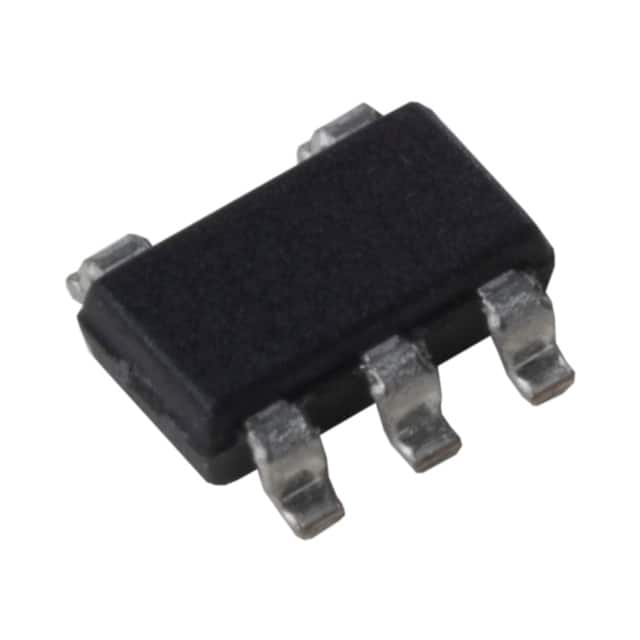
-
MIC5317-3.3YM5-TR
Microchip Technology
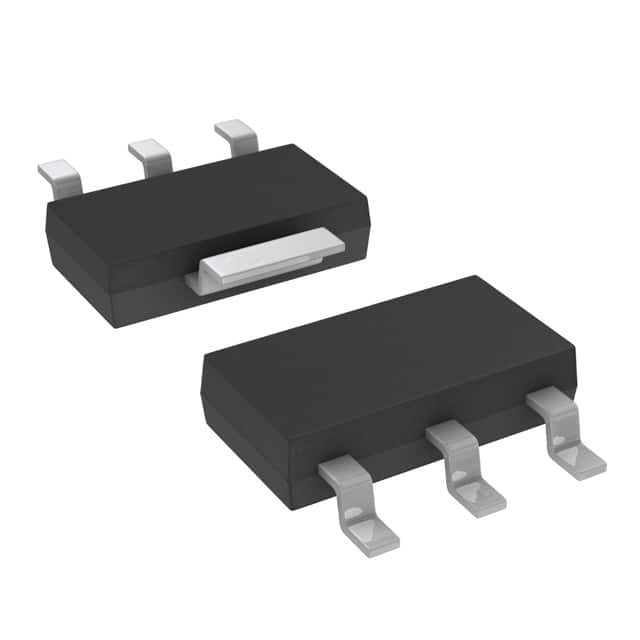
-
TLV1117LV33DCYR
Texas Instruments
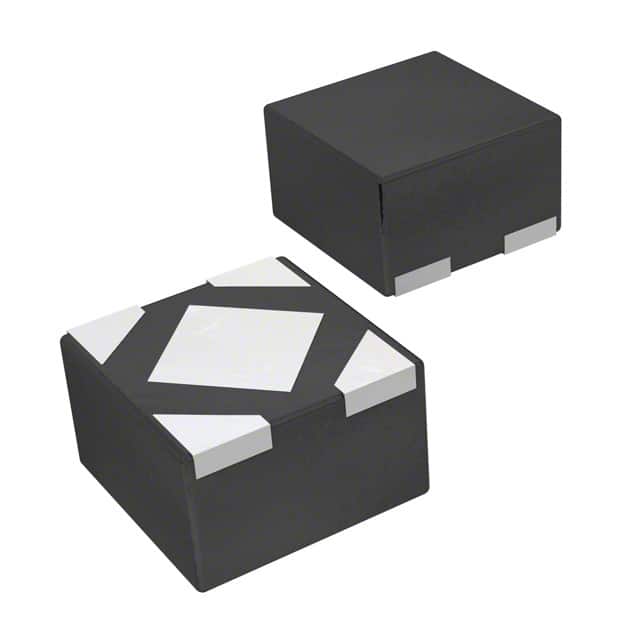
-
MIC5317-3.3YMT-TZ
Microchip Technology
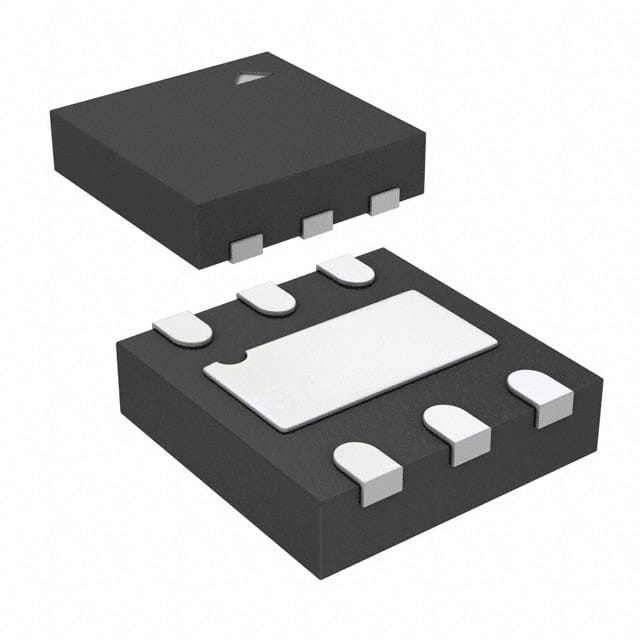
-
MIC5528-3.3YMT-TR
Microchip Technology
-
TLV75801PDRVR
Texas Instruments
Tech Hub

Hall effect sensor guide covering working principle, linear and digital sensors, Arduino circuits, current sensing, speed detection, automotive applications, A3144 examples, signal filtering and datash…

Product Change Notification guide for electronic components, covering PCN meaning, PCN vs PDN/EOL, common change types, risk levels, form-fit-function review, engineering validation, BOM control, LTB/L…

A practical guide to blend door actuators, covering HVAC function, symptoms, location, AC and heater issues, reset and calibration, replacement cost, electrical diagnosis, compatibility checks, and rep…

Engineering guide to Raspberry Pi alternatives, covering chip-level differences, Orange Pi, ROCK, Jetson, Banana Pi, NanoPi, Compute Module, Pico, GPIO, camera, HAT compatibility, and replacement risks…

Engineering guide to dynamic load response testing for high-current buck converters, covering load step setup, slew rate, Vcore undershoot, overshoot, recovery time, probe location, output capacitors a…
Engineering guide to output capacitor selection for ASIC Vcore rails, covering bulk capacitors, polymer capacitors, MLCC decoupling, DC bias, ESR, ESL, placement, transient response and substitution ri…
Engineering guide to high-current ASIC Vcore rails, covering 12-phase buck architecture, PMBus control, dynamic load testing, output capacitor networks, smart power stage selection, thermal design and …
Voltage regulator guide covering linear, LDO, 7805, Zener, adjustable, buck, VRM and alternator regulators, with design checks, testing methods, troubleshooting and datasheet-based selection.

Amplifier guide covering voltage, current and power amplification, gain, feedback, amplifier classes, audio and RF applications, op-amp circuits, transimpedance amplifiers, datasheet selection and trou…
Machine vision system guide covering components, inspection workflow, camera and lens selection, FOV, pixel resolution, motion blur, strobe lighting, bandwidth, 2D/3D vision, integration, troubleshooti…


