
 My Inquiry
 My Account


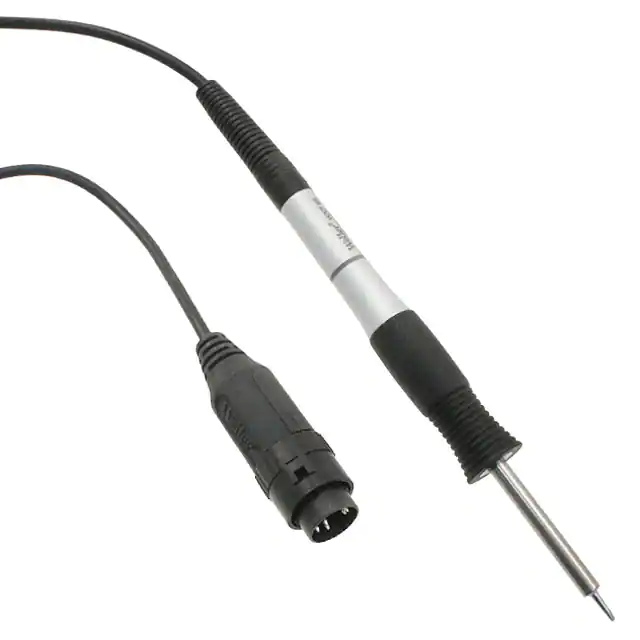
Apex Tool Group SP12
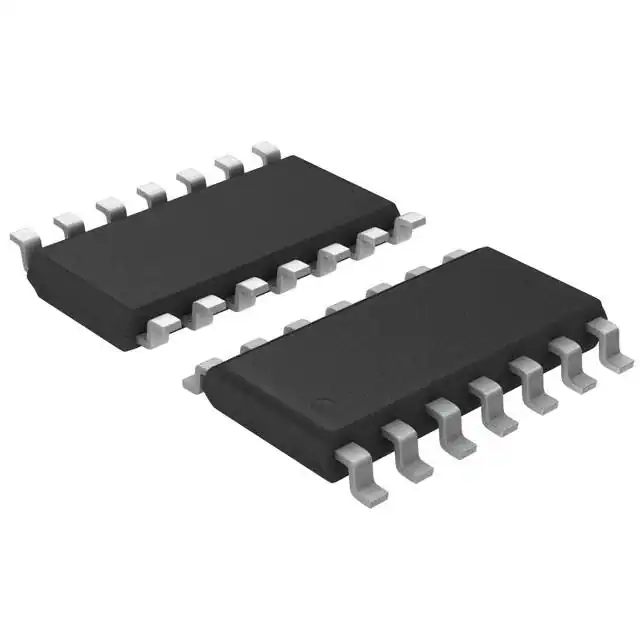
- Part No.:
- SP12
- Manufacturer:
- Apex Tool Group
- Category:
- Soldering Irons, Tweezers, Handles
- Package:
- Description:
- SOLDERING IRON 12W 120V
- Quantity:
- Payment:

- Shipping:

Inventory:1,806
Please send an inquiry. Send us your inquiry, and we will respond immediately.
Product details
Overview
SP12 from Infineon Technologies (formerly SensoNor) is a monolithic MEMS-based pressure sensor with integrated 3-axis accelerometer, ASIC signal conditioning, and temperature/voltage monitoring - all in a single 14-pin SOP package. It delivers simultaneous measurement of tyre pressure (100–450 kPa), radial acceleration (−12 to +115 g), temperature (−40 to +125 °C), and supply voltage (1.8–3.6 V), enabling direct TPMS module integration without external ADC or calibration components.
For engineers reviewing the SP12 datasheet, SP12 pinout, SP12 application, or SP12 equivalent, this device supports automotive-grade tyre pressure monitoring systems requiring concurrent multi-parameter sensing, high-reliability operation in harsh thermal/mechanical environments, and deterministic 4-sigma measurement accuracy across extended temperature and pressure ranges.
Technical Context
The SP12 integrates piezoresistive pressure sensing elements, a capacitive accelerometer, and a custom mixed-signal ASIC on a single die, with factory-trimmed calibration coefficients stored in on-chip EEPROM. Its architecture enables synchronized sampling of pressure, acceleration, temperature, and supply voltage using shared analog front-end resources and time-multiplexed A/D conversion.
All measurements are digitally output via a serial interface (SPI-compatible protocol), with configurable resolution (e.g., 1.37 kPa/LSB for pressure), programmable measurement sequences, and built-in self-test capability. The device operates across full automotive temperature range without external compensation circuitry.
Key Specifications
| Parameter | Value and Actual Design Meaning |
|---|---|
| Pressure Range | 100–450 kPa - covers full operational range for passenger and light-truck tyre inflation (including overpressure margin) |
| Acceleration Range | −12 to +115 g - supports radial acceleration detection during cornering, braking, and pothole impact in rotating wheel assemblies |
| Temperature Range | −40 to +125 °C - qualified for under-wheel well mounting with no external thermal shielding required |
| Supply Voltage | 1.8–3.6 V - compatible with low-power TPMS battery systems (e.g., 3.0 V Li-SOCl₂ primary cells) |
| Pressure Resolution | 1.37 kPa/LSB - enables <±5 kPa total error (4σ) across full range, meeting ISO 21848 TPMS accuracy requirements |
| Measurement Time | ≤40 ms per full 4-parameter sequence - allows ≥20 Hz sampling for real-time dynamic pressure event capture |
| ESD Protection | 2 kV HBM - ensures robustness during automated PCB handling and module assembly |
Pinout & Package
SP12 is housed in a 14-pin Small Outline Package (SOP) with 1.27 mm pitch, thermally optimized for epoxy-encapsulated TPMS module assembly. Package dimensions: 8.65 × 6.00 × 1.95 mm (L × W × H).
| Pin/Terminal | Circuit Role | Design Meaning |
|---|---|---|
| VDD | Power supply input | Primary power rail (1.8–3.6 V); internal LDO feeds analog and digital blocks |
| GND | Ground reference | Analog/digital common return; requires low-impedance connection to minimize measurement noise |
| CLK | Serial clock input | Master-controlled SPI clock (up to 2 MHz); synchronizes all data transfers and command execution |
| CS | Chip select input | Active-low enable for serial interface; allows multi-device bus sharing in multi-sensor modules |
| SDI | Serial data input | Accepts configuration commands (e.g., measurement mode, self-test trigger, EEPROM write) |
| SDO | Serial data output | 32-bit readout per measurement cycle: 12-bit pressure + 12-bit accel + 8-bit temp/voltage status |
| INT | Interrupt output | Open-drain alert signal asserting on threshold breach, measurement completion, or fault condition |
| TEST | Factory test pin | Used during wafer sort and final test; must be tied to GND or left floating in application |
Key Features
| Feature | Design Value |
|---|---|
| Monolithic MEMS + ASIC integration | Eliminates inter-die bonding drift and thermal mismatch, ensuring long-term zero-point stability in rotating wheel environments |
| Factory-calibrated EEPROM | Stores individual sensor offset, sensitivity, and temperature coefficients - removes need for system-level calibration |
| Programmable measurement sequencing | Enables user-defined order and repetition rate for pressure/accel/temp/voltage reads - optimizes power vs. responsiveness trade-off |
| Radial acceleration sensing | Detects rotational dynamics aligned with tyre radius - critical for distinguishing static load vs. dynamic cornering forces |
| 4-sigma specification limits | Guarantees statistical process control for high-volume TPMS production - reduces end-of-line test escapes |
Applications
| Tyre Pressure Monitoring System (TPMS) | Wheel-Aware Vehicle Dynamics |
|---|---|
Use Scenario: Real-time monitoring of inflation pressure and temperature inside passenger car tyres during driving, parking, and storage. IC Role / Device Role / Timing Role: Primary sensing element and signal conditioner; performs synchronized 4-parameter acquisition every 30–60 s in sleep mode, triggered by acceleration events. Use Value: Enables early leak detection (<5 kPa loss), temperature-compensated pressure reporting, and battery-life extension via adaptive wake-up. | Use Scenario: Detecting lateral acceleration during cornering and longitudinal acceleration during braking to infer wheel loading and slip conditions. IC Role / Device Role / Timing Role: Radial acceleration channel provides rotation-aligned inertial reference; sampled at ≥10 Hz during motion to correlate with pressure transients. Use Value: Supports predictive flat-spot detection, road surface classification, and enhanced ABS/ESC algorithm inputs without adding separate IMU hardware. |
| Smart Tyre Health Diagnostics | Aftermarket TPMS Module |
Use Scenario: Long-term tracking of pressure hysteresis, temperature cycling effects, and mechanical shock exposure to estimate tyre remaining service life. IC Role / Device Role / Timing Role: High-accuracy multi-parameter logging unit; stores min/max/avg values per trip in non-volatile memory with timestamp alignment. Use Value: Delivers actionable health metrics (e.g., "12% pressure decay per 10,000 km") for fleet maintenance scheduling. | Use Scenario: Retrofit installation into legacy vehicles lacking OEM TPMS, requiring compact, self-contained, battery-powered sensor nodes. IC Role / Device Role / Timing Role: Complete sensing subsystem - replaces discrete pressure sensor + temp sensor + MCU + RF IC in cost-sensitive designs. Use Value: Reduces BOM count by ≥4 components and simplifies FCC/CE certification via pre-validated analog front-end performance. |
Equivalent & Alternatives
The following parts are listed as comparable options for similar multi-parameter tyre sensing applications.
| Alternative Part | Technical Difference | Application Difference | Selection Advice |
|---|---|---|---|
| NXP MPXY8300 | Integrated RF transmitter (315/434 MHz); pressure range 50–1100 kPa; no radial acceleration axis - only Z-axis tilt sensing | Designed for direct wireless transmission to vehicle receiver; lacks dynamic acceleration analysis capability | Select when RF telemetry is mandatory and inertial context is secondary |
| TE Connectivity MS5839 | Pressure + temperature only; I²C interface; 10–2000 kPa range; no accelerometer or voltage sensing; 8-pin SOIC | Targeted at underwater or industrial barometric use; not qualified for automotive vibration or rotating environments | Select for non-rotating, non-automotive applications where size and cost outweigh multi-axis needs |
Compared with MPXY8300 and MS5839, SP12 uniquely combines radial acceleration sensing, on-chip voltage monitoring, and automotive-qualified packaging in a single serial-output device - making it the only solution capable of autonomous TPMS event classification (e.g., distinguishing pothole impact from slow leak) without host processor intervention.
Availability
SP12 is available at Aetrix Electronics and suitable for tyre pressure monitoring systems, vehicle dynamics modules, smart tyre diagnostics, and aftermarket TPMS solutions requiring stable component supply, long-lifecycle support, and AEC-Q100-compliant sensing performance.
Supply support for SP12 includes scheduled delivery planning, volume procurement assistance, BOM continuity management, traceable sourcing, and lifecycle availability coordination for OEM customers, industrial embedded developers, connected-device designers, and electronics production programs.
Manufacturer
Infineon Technologies AG is a German semiconductor manufacturer specializing in automotive, power management, and sensor solutions, with global R&D and manufacturing infrastructure.
SP12 belongs to Infineon's automotive MEMS sensor portfolio, developed specifically for direct-fit, battery-operated tyre-mounted applications demanding simultaneous pressure, acceleration, and thermal awareness under extreme mechanical stress and thermal cycling.
FAQ
Does SP12 require external calibration during module assembly?
No. SP12 includes factory-programmed calibration coefficients stored in on-chip EEPROM, covering pressure offset/sensitivity, temperature coefficient, and acceleration gain/offset. These values are applied automatically during measurement, eliminating the need for system-level trimming or lookup tables in host firmware.
What is the maximum recommended PCB trace length between SP12 and its decoupling capacitor?
Maximum recommended trace length is 3 mm from VDD/GND pins to a 100 nF X7R ceramic capacitor placed directly adjacent to the package. Longer traces increase susceptibility to switching noise from RF transmitters or motor drivers, which may degrade 12-bit pressure measurement linearity beyond ±0.5 LSB.
Can SP12 operate reliably while mounted on a rotating wheel at 200 km/h?
Yes. SP12 is qualified to AEC-Q100 Grade 2 (−40 to +105 °C ambient) and has passed 20,000 g mechanical shock testing. Its radial acceleration sensing axis is mechanically aligned to withstand centrifugal forces up to 1,400 g at 200 km/h, and its hermetic plastic package prevents moisture ingress during high-speed water spray exposure.
Is the INT pin edge-triggered or level-sensitive?
The INT pin is open-drain and level-sensitive: it asserts low and holds until the corresponding interrupt flag in the status register is cleared via SPI command. This design prevents missed interrupts during burst measurement sequences and allows host MCU to poll status at its own timing without requiring precise edge-capture hardware.
SP12 Specifications
- Product attributes
- Attribute value
- Manufacturer:
- Apex Tool Group
- Series:
- Weller®
- Packaging:
- Bulk
- Product Status:
- Obsolete
- Type:
- Iron
- Tip Temperature:
- Up to 750°F (399°C)
- Tip Type:
- MT70 (Conical)
- Workstand:
- Not Included
- Tip Diameter:
- 0.13" (3.3mm)
- Power (Watts):
- 12W
- Features:
- Impact Resistant
- Voltage - Input:
- -
- Includes:
- 120V
- Input Connector:
- NEMA 1-15P
- Region Utilized:
- North America
- For Use With/Related Products:
- -
SP12 FAQ
1.How can I place an order for SP12 through Aetrix?
Please submit a Request for Quotation (RFQ) for SP12 on Aetrix. Our sales agent will provide a competitive quotation and guide you through the order confirmation once you accept the terms.
2.Are the price and stock information for SP12 reliable?
The price and inventory of SP12 are updated periodically and may fluctuate due to market conditions. Stock and pricing data are typically refreshed every 24 hours. Quotation validity for SP12 is usually 5 days.
3.What payment methods are accepted for SP12?
We accept Wire Transfer, PayPal, Credit Card, Western Union, MoneyGram, and Escrow for SP12 transactions.
Note: Certain payment methods may incur a processing fee.
4.How is shipping managed for SP12?
SP12 orders can be shipped via leading logistics carriers, including DHL, UPS, FedEx, TNT, or Registered Mail.
Once your SP12 order is processed, you will receive an email with the shipment details and tracking number.
Note: Tracking information may take up to 24 hours to appear. Express delivery typically takes 3–5 business days.
5.How can I obtain technical support or documentation for SP12?
For technical support, including SP12 datasheets, pinout diagrams, or application guidance, please contact our engineering support team. They can provide detailed documentation and assistance for your SP12 requirements.
6.How does Aetrix verify that SP12 is sourced from the original manufacturer or authorized distributors?
All SP12 products on Aetrix are procured from qualified distributors and authorized channels. Our dedicated quality assurance team conducts strict verification, including traceability checks and, if necessary, third-party testing. This ensures that SP12 meets industry standards.
7.What is the process for return or replacement of SP12?
All SP12 units undergo pre-shipment inspection (PSI). If there is an issue with SP12, returns or replacements are accepted under the following conditions:
1.Quantity discrepancies, incorrect items, or visible external defects (such as breakage or corrosion), acknowledged by Aetrix.
2.The issue is reported within 90 days of delivery.
3.The SP12 part is unused and in its original packaging.
Return procedure for SP12:
1.Submit a request within 90 days.
2.Obtain a Return Material Authorization (RMA) from Aetrix.
SP12 Tags
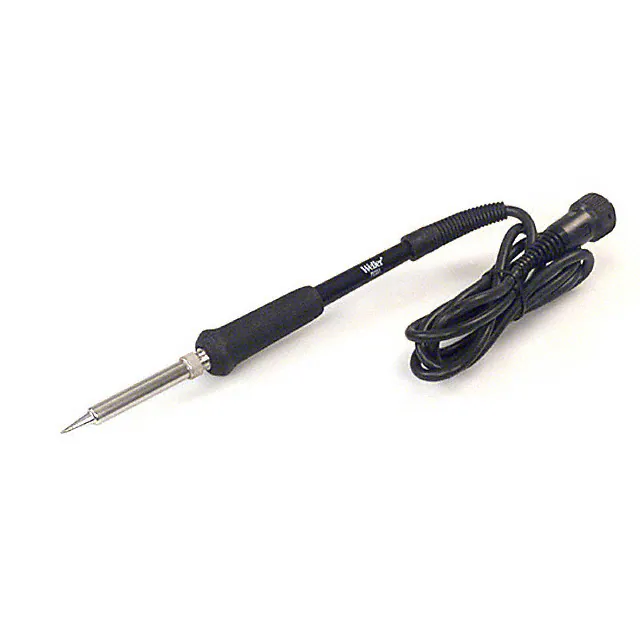
-
PES51
Apex Tool Group
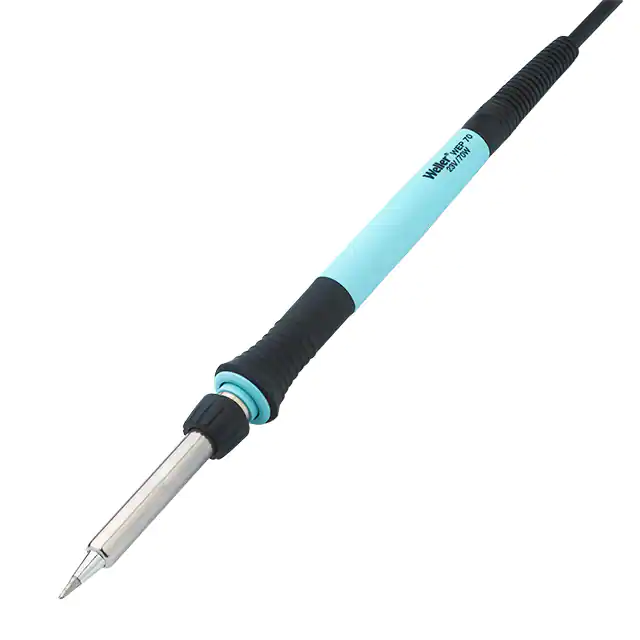
-
T0058770715
Apex Tool Group
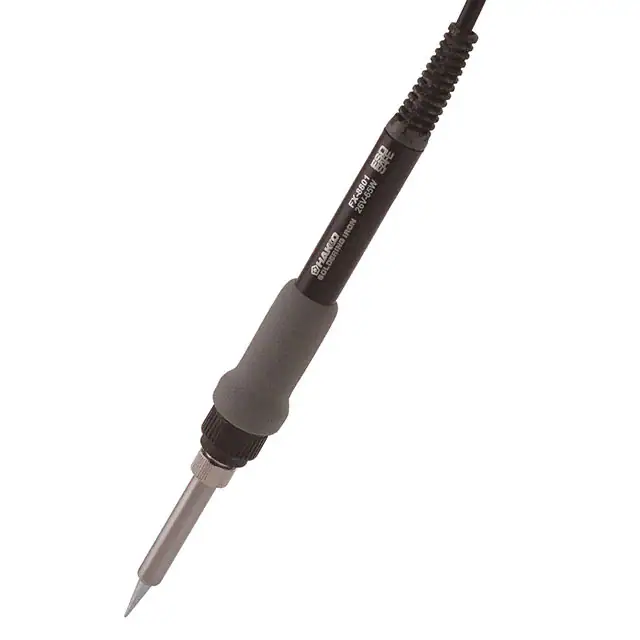
-
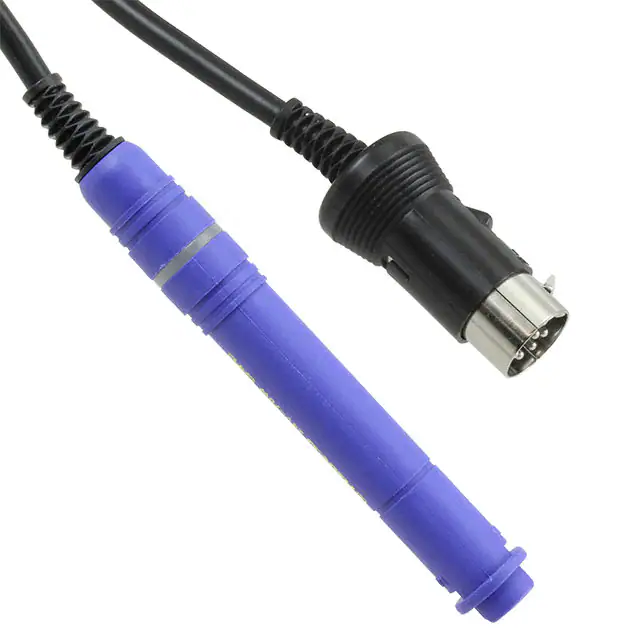
FX8801-02
American Hakko Products, Inc.
-
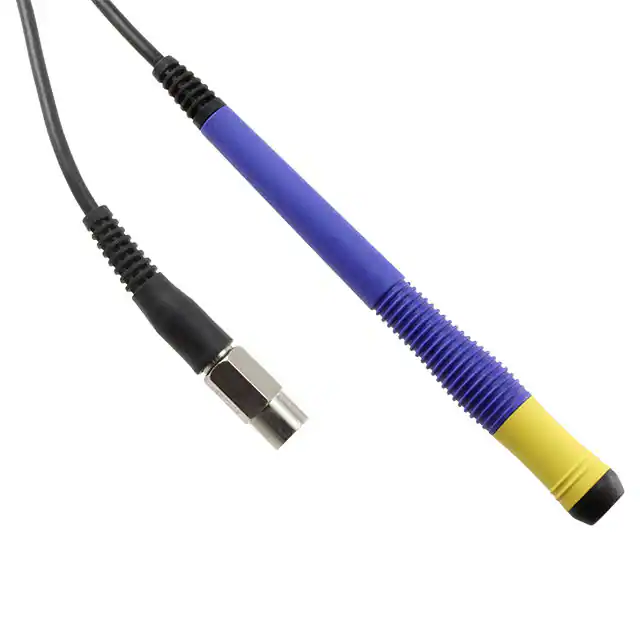
FM2027-02
American Hakko Products, Inc.
-
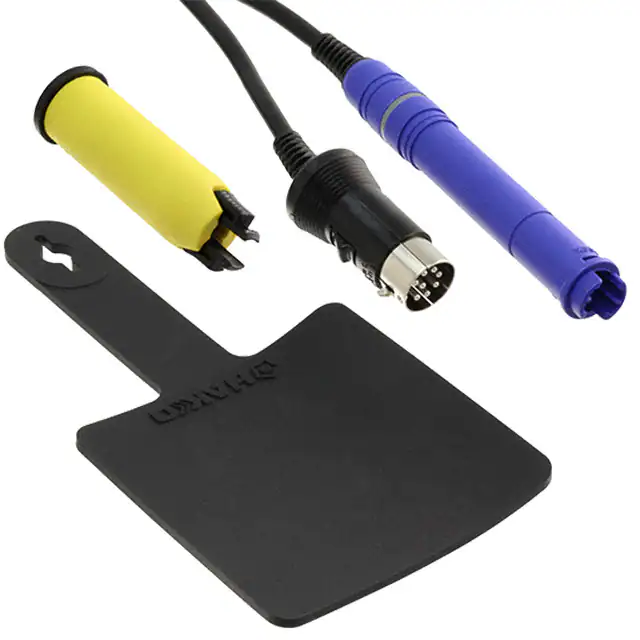
FX1001-51
American Hakko Products, Inc.
-
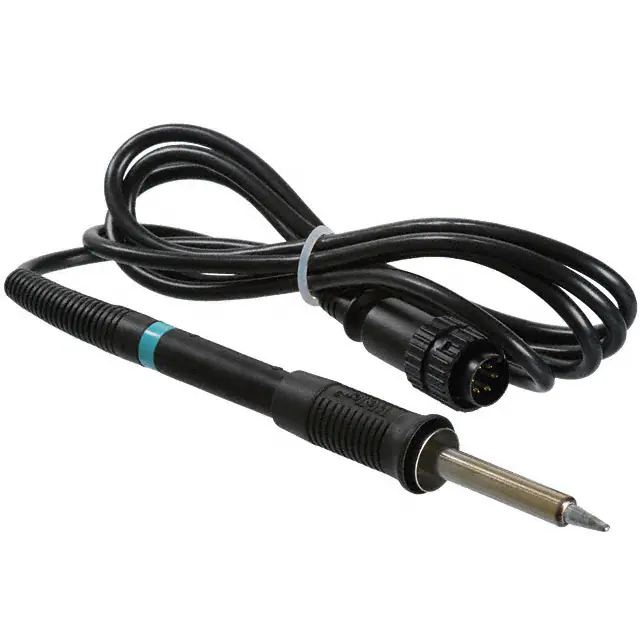
FM2027-01
American Hakko Products, Inc.
-
T0052918099N
Apex Tool Group
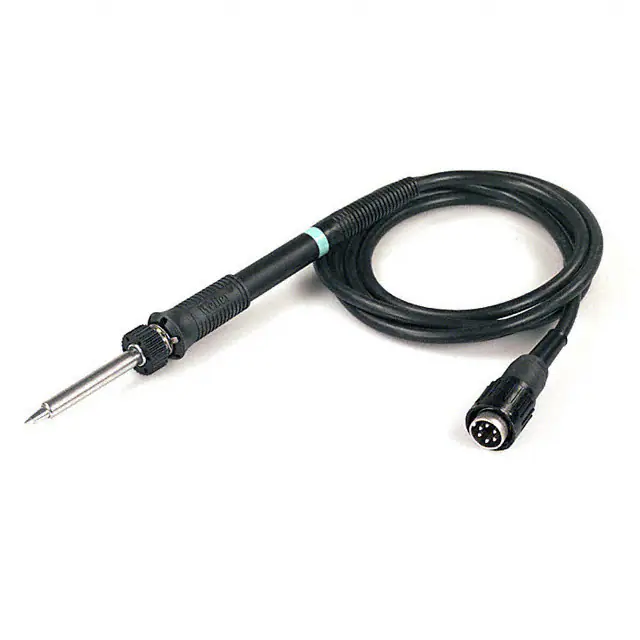
-
WSP80N
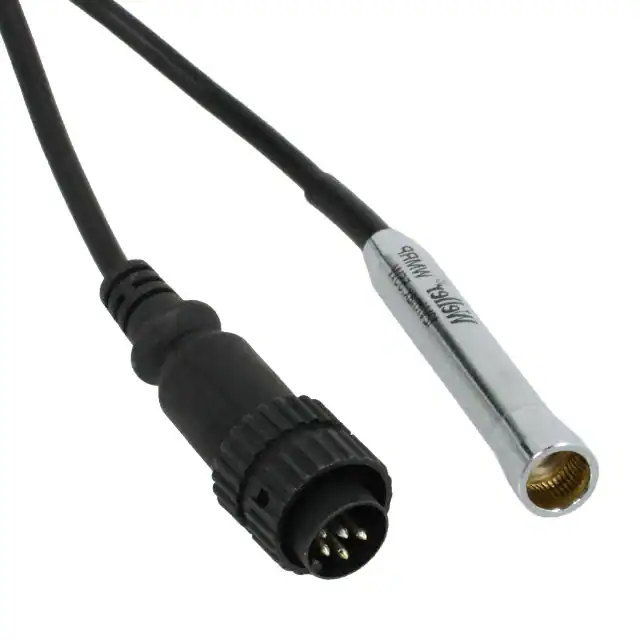
Apex Tool Group
-
T0052917199N
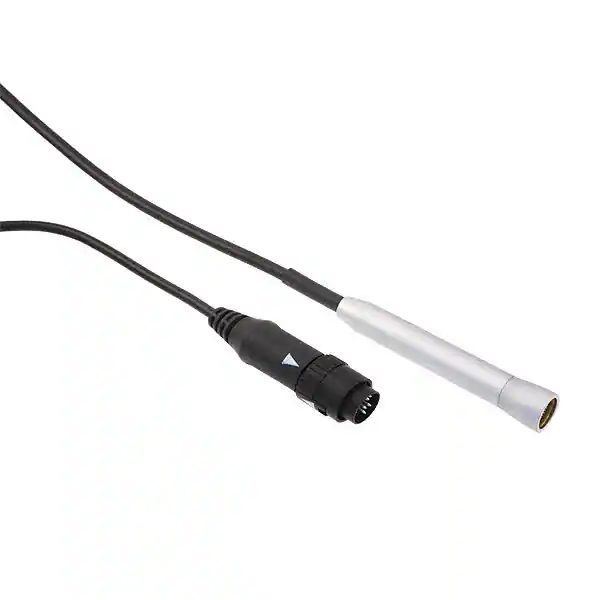
Apex Tool Group
-
T0052920399N
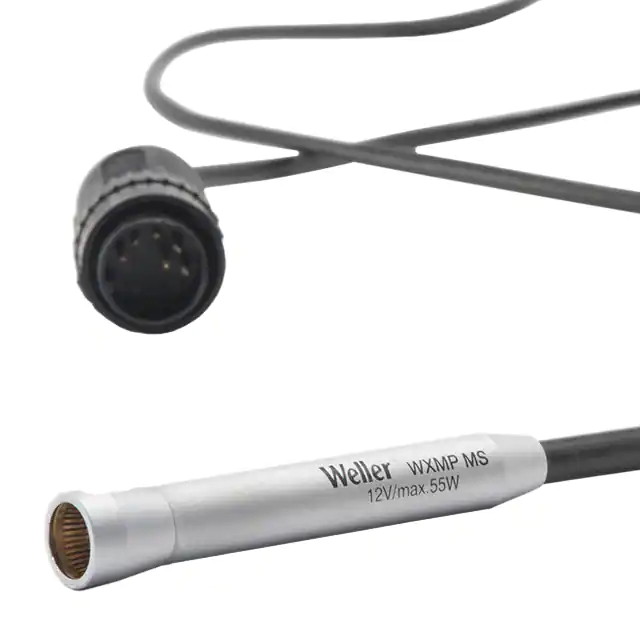
Apex Tool Group
-
T0052921399N
Apex Tool Group
-
T0052921199N
Apex Tool Group
Tech Hub

Jumper cables guide covering safe connection order, red and black clamp placement, final ground connection, cable gauge, length, clamp quality, copper vs CCA cables, jump starter comparison and battery…

LDO regulator guide covering low dropout voltage, power dissipation, thermal design, PSRR, output noise, capacitor stability, adjustable LDO circuits, LDO vs buck converter and datasheet selection chec…

Conditional Access Module guide covering CAM meaning, CI/CI+ interface, smart card authorization, DVB security workflow, TV and set-top box compatibility, internal electronics, ESD protection, connecto…

Guide to electronic component obsolescence covering EOL risk, PCN/PDN notices, last-time buy planning, replacement options, form-fit-function validation, counterfeit risk and BOM lifecycle management.

18650 battery guide covering lithium-ion cell basics, 3.6V/3.7V voltage, 4.2V charging, mAh and Wh capacity, protected cells, chargers, BMS, series-parallel packs, holders, welding and sourcing checks.…

Hall effect sensor guide covering working principle, linear and digital sensors, Arduino circuits, current sensing, speed detection, automotive applications, A3144 examples, signal filtering and datash…

Product Change Notification guide for electronic components, covering PCN meaning, PCN vs PDN/EOL, common change types, risk levels, form-fit-function review, engineering validation, BOM control, LTB/L…

A practical guide to blend door actuators, covering HVAC function, symptoms, location, AC and heater issues, reset and calibration, replacement cost, electrical diagnosis, compatibility checks, and rep…

Engineering guide to Raspberry Pi alternatives, covering chip-level differences, Orange Pi, ROCK, Jetson, Banana Pi, NanoPi, Compute Module, Pico, GPIO, camera, HAT compatibility, and replacement risks…
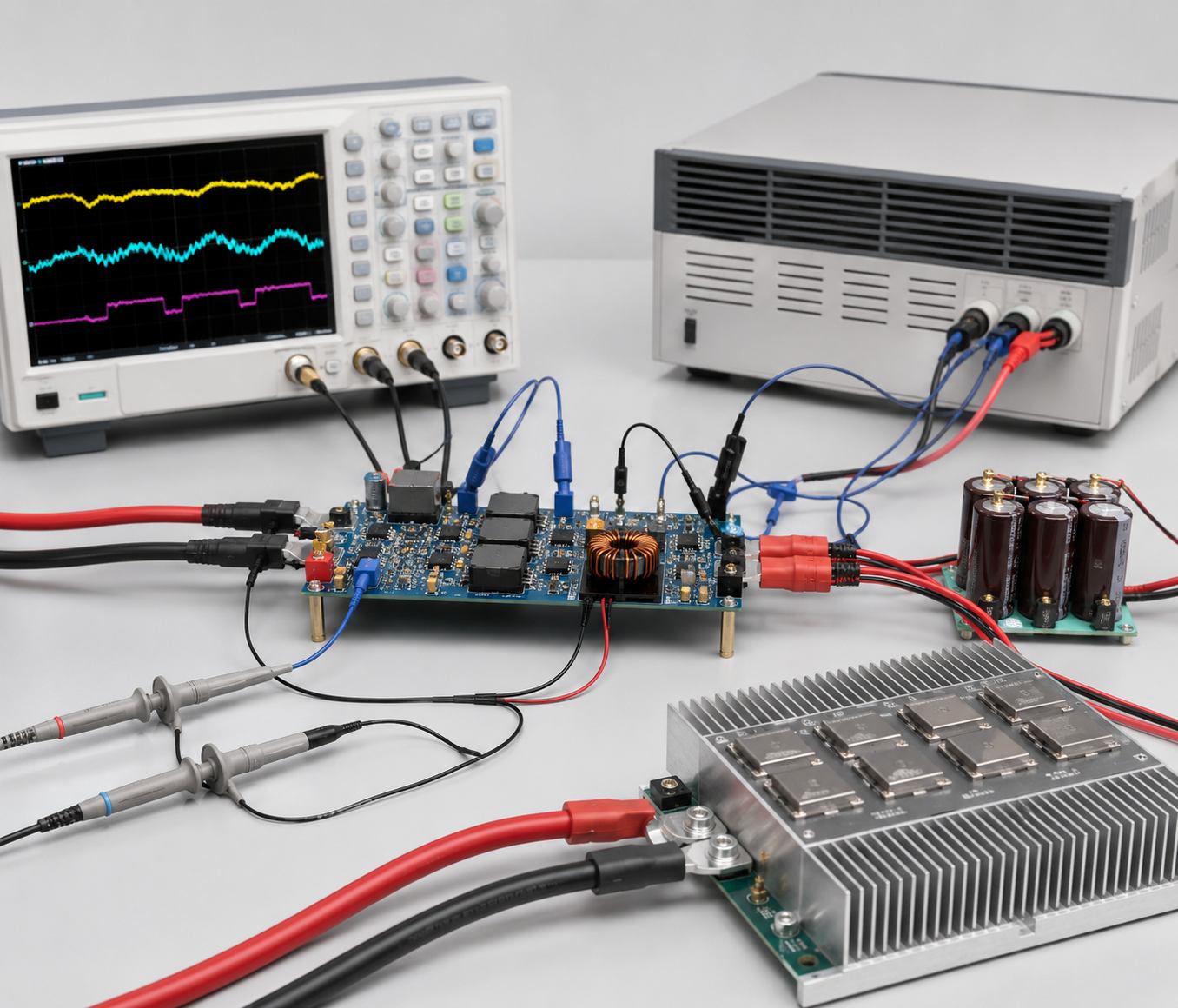
Engineering guide to dynamic load response testing for high-current buck converters, covering load step setup, slew rate, Vcore undershoot, overshoot, recovery time, probe location, output capacitors a…


